The controversy on NEET PG (National Eligibility cum Entrance Test for postgraduate medical courses) being organised in one shift versus multiple shifts has assumed greater significance over the last few years. Being one of the most competitive medical entrance exam in India, NEET PG has a direct relationship with postgraduate admissions, student’s preparation reasonings and also with the expansion of medical e-tech platforms. Regulatory bodies such as the National Medical Commission (NMC) also have a significant role to play in decisions regarding medical education and exams.
Knowing how single-shift and multi-shift exams work, this article will help students be more prepared while also shedding light on the way edtech companies adapt to these changes.
Understanding Single-Shift vs Multi-Shift Exams
Single-Shift Exam
The examination is conducted at the same time for all candidates
Identical question paper for everyone
No normalization process required
Multi-Shift Exam
Multi-day, multi-session examination
Different set of questions for each shift
Scores normalized to maintain fairness
Each approach has its benefits, but there remains debate around fairness, logistics and transparency.
Why Multi-Shift Exams Are Under Consideration
As the number of NEET PG aspirants is increasing every year, it has become difficult to conduct exams once a session. Restrictions on infrastructure, security and the volume of candidates generally force policymakers to opt for multi-shift schedules.
Global standards for medical education established by institutions such as the World Directory of Medical Schools (WDOMS) and the World Health Organization (WHO) impact how medical education is advancing across 11 nations.
Impact on Students
Fairness Concerns
Lots of schools give single-shift exams because every person gets the same question paper.” For multishift exams, scaling helps ensure fairness in scores, but students may be concerned about differences in difficulty.
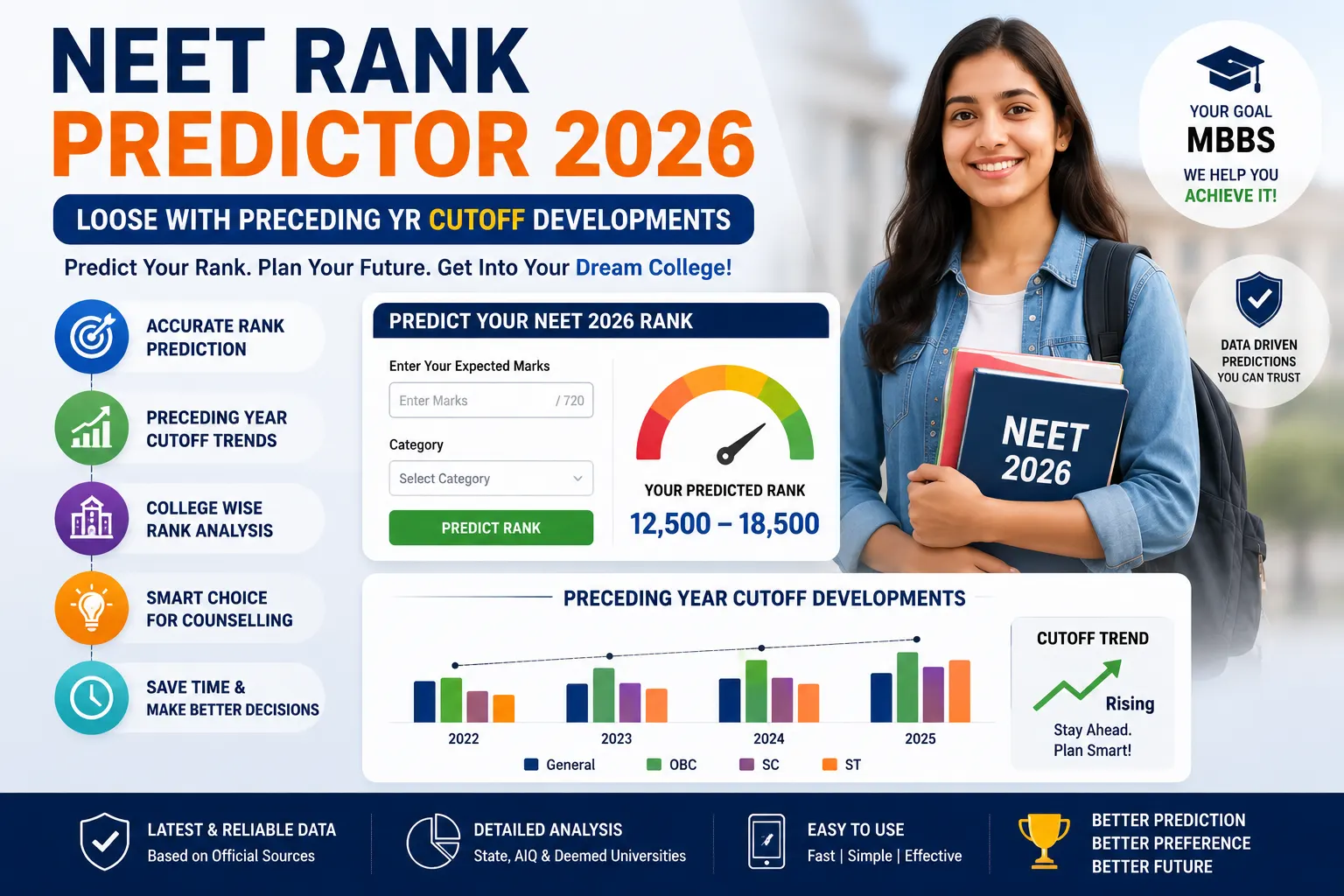
Post exams, a lot of aspirants also rely on instruments like the NEET Rank Predictor to precalculate expected rank and possibility of admission.
Stress and Psychological Factors
Multi-shift exams can lead to increased anxiety, particularly for those taking the exam in subsequent sittings. Feedback from the previous shifts could be enough to stress just for guessing what will happen.
Single-shift exams reduce such uncertainty.
Preparation Strategy Changes
In that case, if multi-shift exams are more common going forward, students might have to:
Focus more on conceptual clarity
Prepare for unpredictable question patterns
Practice broader mock tests
Candidates can use mock test or platforms such as NEET Rank Predictor to analyse performances that may help in preparing well.
Impact on EdTech Companies
For medtech companies, listening to exam format changes is important because it impacts the content within courses, all analytics tools and business strategies.
Content Development
Multi-shift exams require:
Larger question banks
Updated mock tests
Frequent syllabus revisions
Such changes frequently correspond to recommendations put forth by organisations such as the NMC.
Predictive Analytics Demand
Students to now more and more demanding of feedbacks like:
Rank estimation
Performance tracking
Admission probability analysis
Everyone wants to take their exam preparation a level higher and the sets of tools like NEET such as Rank Predictor has raised the bars of data-driven expectation.
Technology Investment
Edtech platforms are investing in:
AI-based learning systems
Advanced analytics dashboards
Mobile-friendly study platforms
This technology change is disrupting medical exam prep.
Advantages of Single-Shift NEET PG
Uniform question difficulty
Transparent evaluation
No normalization controversy
Higher perceived fairness
This format is preferred by many candidates and instructors.
Advantages of Multi-Shift NEET PG
Easier logistics management
Better infrastructure utilization
Reduced crowd pressure
Greater flexibility in exam scheduling
If the number of candidates are higher, this could be needed.
Role of Regulatory, and Global Bodies
There are multiple players in medical education standards:
National Medical Commission (NMC) – To frame policies for regulating medical institutions and medical professionals in India
World Directory of Medical Schools (WDOMS) – List by countries world’s wide recognition medical schools.
WHO Global standards for education of health professionals
Their guidelines are influential and indirectly influence exam structures and educational directives.
What can happen to the NEET PG Exam Format in Future
Future decisions may depend on:
Increasing candidate numbers
Technological advancements
Infrastructure availability
Policy changes
Hybrid exam variants or more powerful normalization can be released.
What to Teach Students for Any Format
✔ Emphasize a solid conceptual foundation.
✔ Practice diverse mock tests
✔Follow OFFICIAL Announcements here:
✔ Utilise NEET Rank Predictor or analytics to know where you need an improvement.
Flexibility is the secret of success.
Conclusion
There is no doubt a one vs multiple shift NEET PG debate, but that’s just a part of the larger problem with these mega medical entrance exams. Single shift-part exams offer evenness and perceived equitability, but as numbers of candidates increase, multi-shift modes serve well for organizational reasons.
Students just need to stay flexible, keep preparing and utilise trusted resources. Edtech solutions must also continue to innovate, and regulators such as the NMC, together with international standards from WDOMS and WHO), still defining the medical education landscape across the globe.
Performance Tools as NEET Rank Predictor & others can also guide the students in taking more informed decisions for preparation and counseling.