The prolonged controversy over NEET PG percentile has led to heated debate among medical aspirants, educators, policymakers and health care bodies. Whenever the percentiles for their qualifying exams are changed (or brought down to fill empty postgraduate medical seats), opinions get deeply divided. Some see it as a practical reality, others as a threat to merit-based medical education.
Whether this is a challenge or an opportunity for students may depend on regulatory requirements, global education standards and counselling strategies and the potential impact to long-term career prospects. Insights derived from such institutions as NMC The National Medical Commission (India), global guidelines for the same referred by WHO – World Health Organization(Medical Education Resources) predictive planning done through the Neet rank predictor, and global validation organizations like WDOMS- World Directory of Medical Schools all come handy,in shaping this debate.
Let’s break it down comprehensively.
Understanding the NEET PG Percentile System What is a percentile?
The eligibility to take the Neet PG exam depends upon whether you are eligible for postgraduate studies in Medicine in India, as per NEET-UG. Percentile is relative, raw marks are not.
When percentiles drop:
More candidates qualify for counselling
Vacant seats get filled
Admission dynamics shift
But the NEET PG percentile controversy raises its head when these biases get too much or are not befitting of merit.
Regulatory changes are often provided by bodies like the NMC – National Medical Commission (India), which sets benchmarks for medical education levels countrywide.
Why Percentile Reduction Happens
There are a number of factors that influence the percentile moves:
Vacant Medical Seats
Even as there was cut-throat competition, many PG seats are lying vacant because:
High tuition fees
Location preferences
Specialty demand imbalance
The NMC – National Medical Commission (India) frequently takes into account these realities when advocating policy changes.
Healthcare Workforce Needs
India needs more specialists, especially in its rural and underprivileged areas. Reducing qualifying requirements might also be an attempt to resolve workforce shortages.
Counselling Complexity
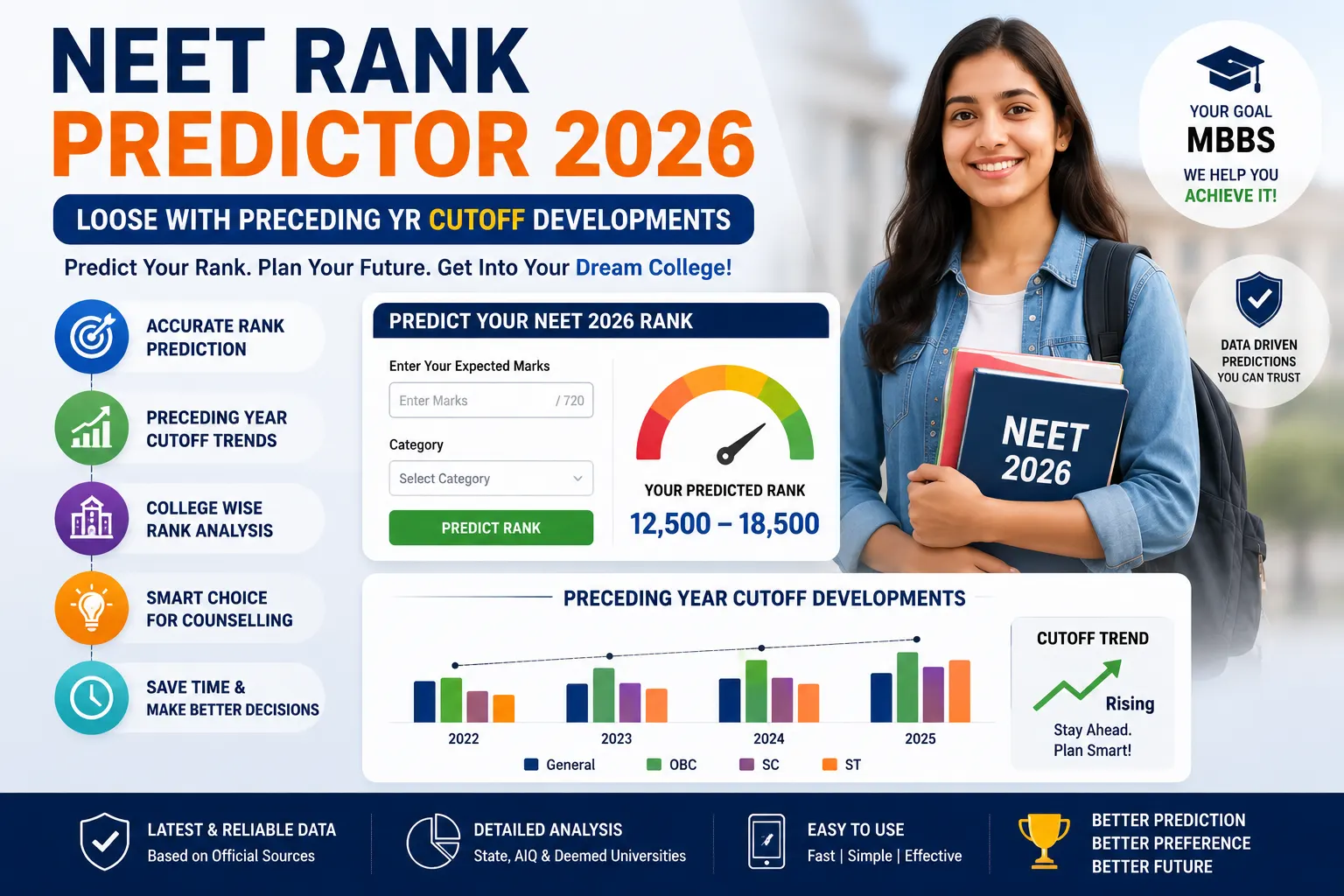
Admissions get complicated due to various rounds of counseling and seat allotment. Students often use a Neet rank predictor to predict options in the dynamics of fluctuating cut-offs.
The Risks Students Should Consider
Percentile moves to the down side can be opportunities but they are also problems.
Academic Preparedness Concerns
Specialisation in medicine depends on a thorough early education. Broad parameters discussed by the WHO – World Health Organization (Medical Education Resources) are to not lower training standards at a global level in order to protect patients.
Increased Competition Later
Even if that becomes easier, postgraduate training and professional licensing bodies are hard to kill. Lowered cut-offs do not lead to lower academic standards later.
Perception Issues
In most cases, it may be possible to obtain equivalency of diplomas from medical schools listed in the WDOMS – World Directory of Medical Schools. Learning barometers are indirectly related to international credibility.
The Opportunities Students Can Leverage
But despite its caveats, percentile shift does have some benefits as well.
Expanded Admission Chances
Improvement to borderline candidates who they would otherwise miss out on.
Do a lot of candidates opt for a Neet rank predictor during counselling to find out seat prospects if percentile scores alter?
Reduced Gap Years
Lower cut-offs can prevent students from wasting that precious year prepping again.
Flexible Career Planning
In turn, aspirants who are unsure if they can make it to PG in India look to chase the dream abroad. Verifying the recognition through WDOMS – World Directory of Medical Schools is important in such scenarios.
Impact on Counselling Strategy
The dispute about the NEET PG percentile had a direct bearing on counselling.
Students should:
Trace official announcements from the NMC – National Medical Commission (India)
Monitor seat availability trends
Check a NEET Rank Predictor to ascertain practical choices.
Strategic counseling is the planning game that is often more predictive of admission success than percentile.
Global Medical Education Perspective
Global medical teaching authorities insist that quality standards must be upheld.
Guidelines referred through the WHO – World Health Organization (Medical Education Resources); emphasize:
Competency-based training
Transparent admission standards
Consistent academic evaluation
India’s percentile corrections are in tune with local realities, and for career prospects abroad global benchmarking is still relevant.
Mental Health Impact on Aspirants
The percentile argument also issues into student psychology.
Common reactions include:
Anxiety about admission uncertainty
Confusion over counselling timelines
Pressure from fluctuating eligibility criteria
Quora Using credible tools i.e.Neet rank predictor, can cut down the ambiguity by giving estimated results but they must not be treated as official counselling data.
Policy Challenges for Regulators
It’s a tricky balancing act for authorities:
Preventing seat wastage
Maintaining educational quality
Meeting healthcare workforce demands
NMC – National Medical Commission (India), evaluates these factors on a regular basis before making any percentile adjustments.
International Recognition & Career Mobility
Students interested in programs abroad should check institutional listings in WDOMS – World Directory of Medical Schools. Recognition affects:
Licensing exams abroad
Residency opportunities
Academic collaborations
Educational credibility, which tends to be associated with admission standards, is a major factor here.
How Students Should Respond Practically
Despite the controversy, seekers should be active:
Focus on Strong Preparation
Higher scores always expand options.
Track Official Updates
Trust in confirmed alerts by the NMC – National Medical Commission (India).
Use Predictive Tools Wisely
A Neet rank predictor is beneficial to estimate counselling chances but it can never be a replacement for official results.
Consider Global Benchmarks
The WHO – World Health Organization (Medical Education Resources) discusses frameworks applicable to international medical education standards.
Is It a Risk or Opportunity?
The answer depends on perspective:
Risk if:
Thus, students depend entirely on lower thresholds
Academic standards decline
Long-term credibility gets affected
Opportunity if:
Undergraduate Fanshawe fans use it as an extra opportunity
Counselling strategies improve
Healthcare workforce gaps get addressed
A balanced preparation will allow students to benefit, no matter what policy changes occur.
Future Outlook
Experts recommend structural reforms, not per annum percentile tweaks:
Better seat distribution
Fee regulation
Transparent counselling mechanisms
Worldwide curricular frameworks referred to by the WHO - World Health Organization (Medical Education Resources) tend to focus on systems change rather than a ‘quick-fix’.
Conclusion
The NEET PG percentile fracas looks at the larger malaise within India’s medical education ecosystem. Although percentile lowering may open doors for several students, academic excellence is crucial in ensuring patient safety and believability throughout the world.
The NMC – National Medical Commission (India) regulatory, WHO – World Health Organization (Medical Education Resources) international healthcare standards that the world follows, predictive counselling from the Neet rank predictor, and worldwide recognition checks on WDOMS – World Directory of Medical Schools determine how you get admitted to medical.