NEET PG Syllabus 2024: Complete Subject-wise Breakdown
The NEET PG exam is one of the most important postgraduate medical entrance examinations in India. It determines admission to MD, MS, and PG Diploma courses in medical colleges across the country. Understanding the NEET PG syllabus 2024 is essential for every aspirant who wants to perform well in the exam.
The syllabus is primarily based on the MBBS curriculum, which includes subjects taught during the entire undergraduate medical program. The exam evaluates a candidate’s knowledge of pre-clinical, para-clinical, and clinical subjects.
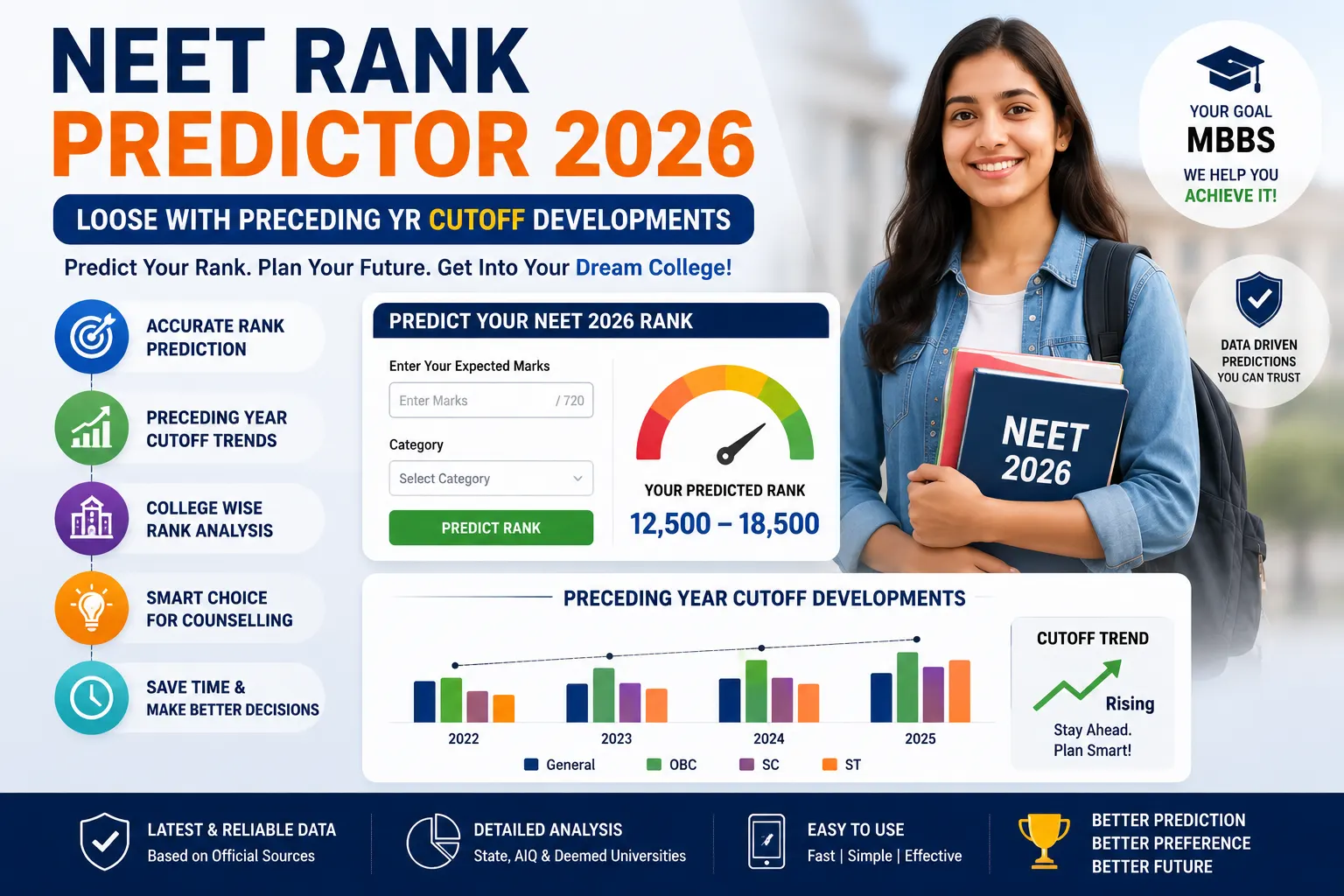
A structured preparation strategy becomes easier when candidates clearly understand the subject-wise syllabus. Many aspirants also use tools like a NEET Rank Predictor after mock tests to estimate their potential rank and assess their preparation level.
In this detailed guide, we will explore the complete subject-wise breakdown of the NEET PG 2024 syllabus, along with the importance of regulatory bodies such as NMC, WHO, and WDOMS in shaping global medical education standards.
Overview of NEET PG Syllabus
The NEET PG syllabus is divided into three major phases of medical education:
Pre-Clinical Subjects
Para-Clinical Subjects
Clinical Subjects
These subjects are taught during the MBBS program and collectively form the foundation of the NEET PG exam.
Candidates must develop a strong conceptual understanding of all subjects because the exam tests both theoretical knowledge and clinical application.
Pre-Clinical Subjects
Pre-clinical subjects form the foundation of medical science. These subjects focus on basic medical concepts and are usually taught in the first year of MBBS.
Anatomy
Anatomy focuses on the structure of the human body and its systems.
Important areas include:
Gross anatomy
Neuroanatomy
Histology
Embryology
Osteology
Questions in NEET PG often test conceptual clarity and clinical relevance related to anatomical structures.
Physiology
Physiology deals with the functions of the human body and how different systems operate together.
Key topics include:
Cardiovascular system
Respiratory system
Nervous system
Endocrine system
Renal physiology
Understanding physiological mechanisms is important for solving clinical questions.
Biochemistry
Biochemistry focuses on the chemical processes that occur in living organisms.
Important topics include:
Metabolism of carbohydrates, proteins, and lipids
Enzyme kinetics
Molecular biology
Nutrition and vitamins
Many NEET PG questions test metabolic pathways and biochemical mechanisms involved in diseases.
Para-Clinical Subjects
Para-clinical subjects bridge the gap between basic medical sciences and clinical practice. These subjects are usually studied during the second year of MBBS.
Pathology
Pathology studies the causes and mechanisms of diseases.
Important topics include:
General pathology
Inflammation and healing
Hematology
Systemic pathology
Neoplasia
Many clinical questions in NEET PG require a strong understanding of pathology concepts.
Pharmacology
Pharmacology deals with drugs, their mechanisms of action, therapeutic uses, and side effects.
Important topics include:
Drug classification
Mechanism of action
Adverse drug reactions
Clinical pharmacology
Antibiotics and chemotherapy agents
Pharmacology is considered one of the most scoring subjects in NEET PG.
Microbiology
Microbiology focuses on microorganisms and infectious diseases.
Key areas include:
Bacteriology
Virology
Mycology
Parasitology
Immunology
Understanding infection mechanisms and laboratory diagnosis is crucial for solving NEET PG questions.
Forensic Medicine
Forensic medicine applies medical knowledge to legal cases.
Important topics include:
Medical jurisprudence
Autopsy procedures
Toxicology
Injury classification
Legal aspects of medical practice
Questions often test practical scenarios and legal knowledge.
Community Medicine (PSM)
Community medicine focuses on public health and disease prevention.
Important topics include:
Epidemiology
Biostatistics
National health programs
Environmental health
Preventive medicine
This subject also highlights the role of international organizations like the WHO in public health policy.
Clinical Subjects
Clinical subjects form the largest part of the NEET PG syllabus. These subjects are studied during the final years of MBBS and are directly related to patient care.
General Medicine
General medicine is one of the most important subjects in NEET PG.
Important topics include:
Cardiology
Neurology
Endocrinology
Gastroenterology
Infectious diseases
Many NEET PG questions test diagnosis, investigation, and treatment strategies.
General Surgery
General surgery includes both theoretical knowledge and clinical applications.
Important topics include:
Surgical principles
Gastrointestinal surgery
Trauma management
Oncology
Postoperative care
Obstetrics and Gynecology
This subject focuses on women’s health and reproductive medicine.
Key topics include:
Pregnancy and childbirth
Gynecological disorders
Infertility management
Contraception
Obstetric emergencies
Pediatrics
Pediatrics deals with healthcare for infants, children, and adolescents.
Important areas include:
Neonatology
Pediatric infections
Growth and development
Pediatric nutrition
Orthopedics
Orthopedics focuses on musculoskeletal disorders.
Important topics include:
Bone fractures
Joint diseases
Sports injuries
Spine disorders
Dermatology
Dermatology deals with skin diseases and conditions.
Important topics include:
Infectious skin diseases
Autoimmune disorders
Pigmentation disorders
Dermatological treatments
ENT (Otorhinolaryngology)
ENT focuses on disorders of the ear, nose, and throat.
Important topics include:
Hearing disorders
Sinus diseases
Head and neck infections
Laryngeal conditions
Ophthalmology
Ophthalmology deals with eye diseases and vision disorders.
Important topics include:
Cataract
Glaucoma
Retinal diseases
Refractive errors
Radiology
Radiology focuses on diagnostic imaging.
Important topics include:
X-ray interpretation
CT and MRI imaging
Ultrasound diagnosis
Anesthesiology
Anesthesiology deals with pain management and anesthesia techniques used during surgery.
Importance of Mock Tests and Rank Prediction
Mock tests are a crucial part of NEET PG preparation.
They help candidates:
Improve time management
Identify weak subjects
Build exam confidence
After attempting mock tests, many aspirants use a NEET Rank Predictor to estimate their expected rank based on their performance.
This helps students understand their current preparation level and adjust their strategy accordingly.
Role of NMC in Medical Education
The NMC regulates medical education in India.
The NMC is responsible for:
Approving medical colleges
Regulating medical curriculum
Ensuring quality medical training
Monitoring postgraduate medical education
The NEET PG exam follows the medical education structure approved by the NMC, ensuring standardized training for future doctors.
Importance of WHO in Global Healthcare
The WHO plays a significant role in promoting global healthcare standards.
WHO contributes to:
Public health policy
Disease prevention strategies
Medical research collaboration
Global healthcare education guidelines
Many concepts in community medicine and epidemiology are influenced by research and policies promoted by WHO.
Role of WDOMS in Global Recognition of Medical Colleges
The WDOMS is an international database that lists recognized medical institutions worldwide.
Medical colleges listed in WDOMS are considered globally recognized.
This recognition is important for graduates who wish to pursue international medical licensing exams such as:
USMLE
PLAB
AMC
The listing of institutions in WDOMS helps maintain transparency and global standards in medical education.
Preparation Strategy for the NEET PG Syllabus
To cover the extensive syllabus effectively, aspirants should follow a structured strategy.
Recommended preparation tips include:
Study subjects according to their weightage
Focus on conceptual clarity rather than memorization
Solve previous years’ question papers
Attempt regular mock tests
Revise high-yield topics multiple times
Tracking performance through mock tests and tools like a NEET Rank Predictor can help aspirants evaluate their progress and improve their preparation strategy.
Conclusion
The NEET PG syllabus 2024 covers a wide range of subjects from the MBBS curriculum, including pre-clinical, para-clinical, and clinical disciplines. A thorough understanding of each subject is essential for achieving a good rank in the exam.
Candidates should focus on conceptual learning, regular revision, and consistent practice through mock tests. Using tools such as a NEET Rank Predictor can help aspirants estimate their expected rank and refine their preparation strategy.
Meanwhile, regulatory bodies like the NMC ensure high standards in medical education in India, while global organizations such as the WHO and WDOMS contribute to maintaining international healthcare education standards.
With a disciplined study plan and a strong understanding of the syllabus, aspirants can significantly improve their chances of success in the NEET PG examination.