This year I can see the medical education space in India is rapidly changing every passing day with so many policy changes happening every other week in NEET PG (National Eligibility cum Entrance Test for Postgraduate courses) and emergence of new med EdTechs. Knowledge and Analyzing of these policy changes, technological upgradations is necessary for Indian medical students who want to secure their postgraduate seats. These emerging trends have impacted how exams are conducted, preparation approaches, counselling mechanisms, and even career choices.
In this article, know the recent NEET PG policy updates, role of regulatory bodies and rise of EdTech and how students need to be agile in this environment.
Understanding NEET PG Policy Changes
NEET PG is the door to MD, MS, PG Diploma and DNB medical courses in India. In last few years also changes have been made by the authorities in exam pattern, eligibility, counselling and seat allotment process.
The national oversight of medical education is mostly done by the National Medical Commission (NMC), which replaced the Medical Council of India. The NMC has a history of revising standards in order to enhance transparency, education quality and workforce distribution.
Key policy areas for students to watch include:
Changes in Exam Pattern (single shift vs computer based CBT of multiple shifts)
Internship completion deadlines
Reservation policy updates
Counselling procedure changes
Accreditation recognition for colleges
Keeping track of the official notifications helps in preventing fake news and confusion at dagger’s edge.
Global Recognition of Medical Education
One other crucial aspect for Indian students is the international acceptance of degree. In the age of internet transparency, databases such as WDOMS have become an indispensable tool for checking whether a medical school is internationally accredited. It’s especially important for students who expect fellowships, research or careers abroad.
Moreover, international health policies and medical educational guidelines tend to be in line with recommendations issued by bodies such as the WHO. Indian students should be aware of the international standards which can enable them to remain competitive in global competitiveness.
Whether NEET PG be a Single-Shift or Multi-Shift – The debate continues……..
BE/BTech Enrolment in AY 2021-22 one of the most talked about policy decisions now is to conduct NEET PG in one shift or multiple shifts.
Single-Shift Exam Benefits:
One standard of difficulty level for all candidates
Higher perceived fairness
Easier rank comparison
Multi-Shift Exam Advantages:
Logistics of candidates for large numbers of candidates
Flexibility in exam scheduling
Less technical burden on testing infrastructure
Yet, during the multi‐shift exams, the methods of normalization can generate anxiety in students with respect to fairness. This is why policy on test format can go a long way in influencing how people prepare and psych themselves up for the exam.
Rise of Medical EdTech Platforms
India has witnessed an enormous growth in Medical EdTech, thanks to competitive exams such as NEET UG and NEET PG. Digital platforms now offer:
Video lectures by top faculty
AI-based mock tests
Personalized performance analytics
Adaptive learning systems
Instant doubt resolution
These are options that offer flexibility and reach that conventional coaching can't always.
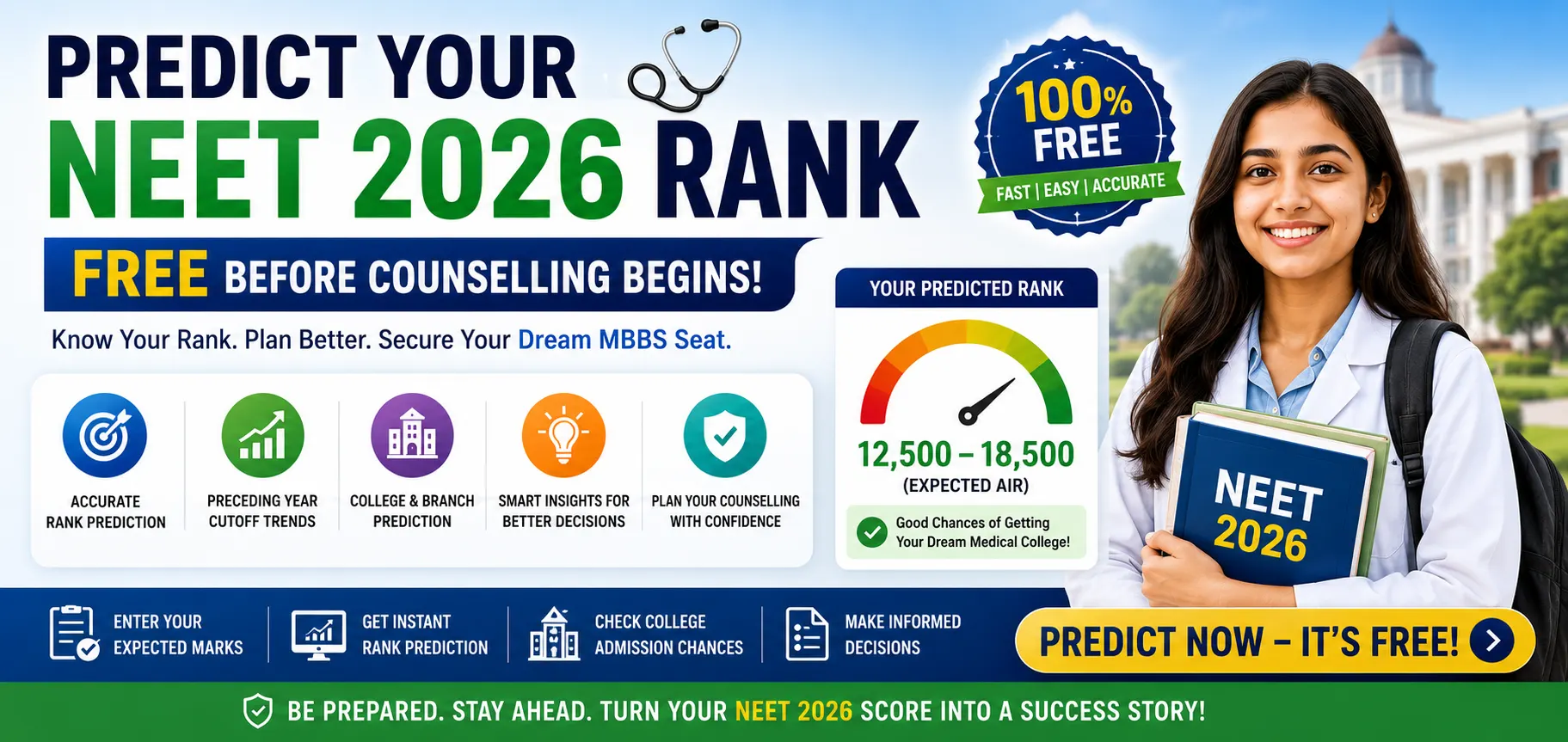
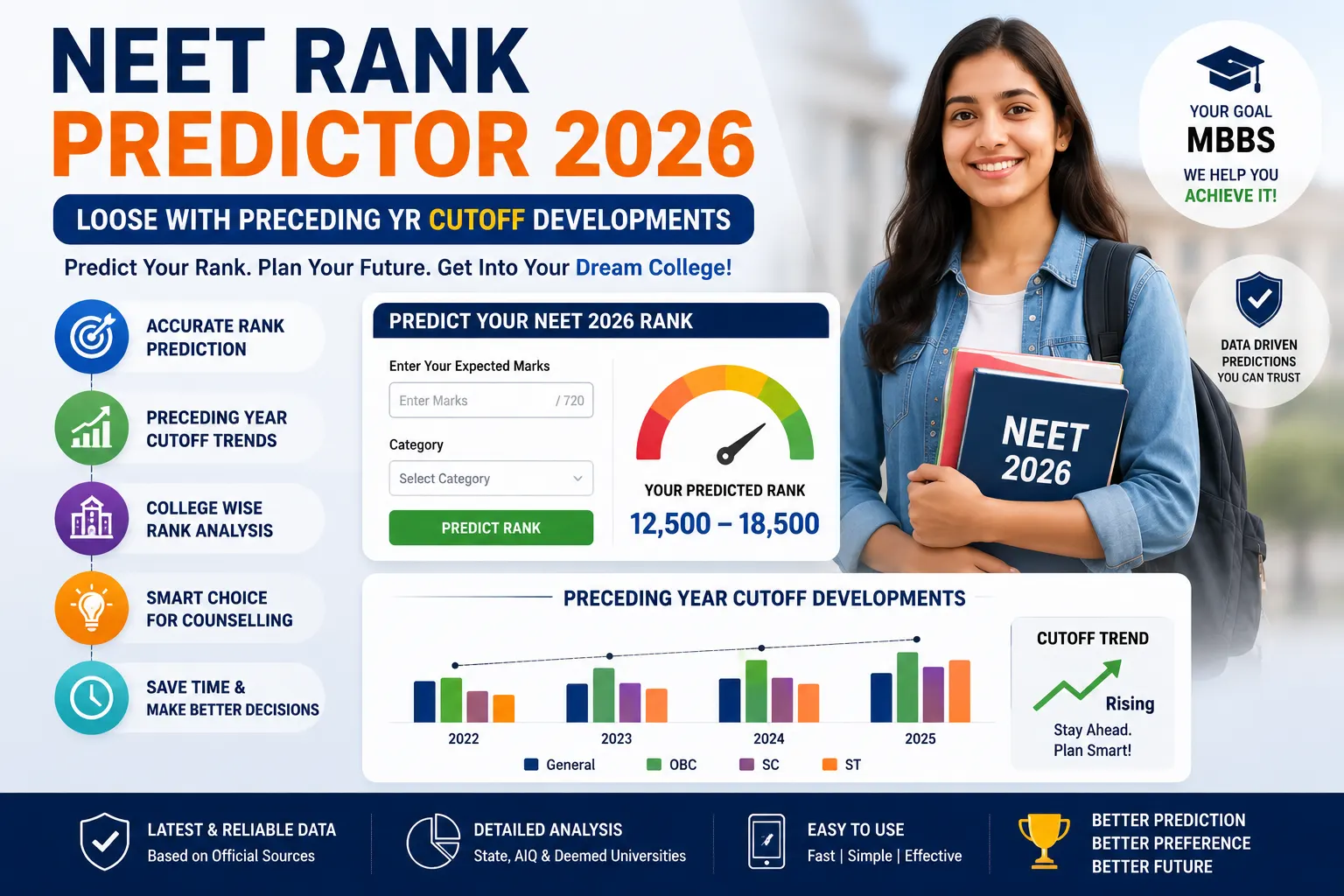
Quite a few students even apply online like the NEET Rank Predictor which can give you probable ranks based on their mock scores or expected marks. These tools are useful for strategic planning, preparation for counseling and establishing achievable goals.
How Regulation Changes Impact EdTech Growth
Policy changes tend to drive new opportunities in the EdTech space. For example:
Exam Pattern Changes
And every time exams saw a shift in pattern, students asked for updated study materials, mock tests and strategy sessions — fueling EdTech demand.
Counselling Complexity
As the counseling rules change, students are turning to digital platforms for advice, college predictions and document help.
Increasing Competition
Increasing competition for postgraduate medical seats boosts demand for structured digital preparation.
Data-Driven Learning
AI analytics are being leveraged more and more by modern EdTech platforms that tailor your preparation strategy specifically for you.
This dialectical interaction between policy change and EdTech innovation is defining the future of medical exam prep in India.
Key Challenges Students Face
Challenges in students, Despite the technological advancements, students’ still face several challenges:
Information Overload
Authentic updates can be hard to separate from rumours amid multiple online sources.
Mental Stress
Increased stress above policy uncertainty, exam postponements and order of competition level.
Financial Investment
Cost High-quality coaching, and EdTech subscriptions often create financial pressure.
Adaptation Issues
The Greeks may have a word for it and your students who are used to consuming lessons the “old fashioned” way might find the digital transformation to be kind of an enigma.
Knowing about these challenges can help in preparing students academically and mentally.
Smart Strategies for Students
Here's how you can help him/ her to cope up with new NEET PG changes - Repeated practice is the only effective leap.
Stay Updated from Reliable Sources
Monitor official announcements from bodies like NMC and exam authorities.
Use Predictive Tools Wisely
The NEET Rank Predictor and such other platforms may help set the expectations but shouldn’t take away from focused study.
Combine Traditional and Digital Learning
A combination of the two usually works best.
Focus on Conceptual Clarity
Strong fundamentals are important Despite policy change, having strong fundaments is very essential.
Practice Mock Tests Consistently
Practice helps with confidence and time management in the exam.
Future Trends in Medical Education
In the future, some of these trends may influence NEET PG preparation and medical education as follows:
AI-powered personalized learning platforms
Virtual clinical training simulations
More internationalism in medical education
Greater transparency in counselling processes
Standardization of exam patterns
The students who will gain the most from these shifts will be those who are able to remain flexible.
Why Awareness Is More Important Than Ever
Medical careers demand long-term planning. These entrance exams-related policy changes have effects on:
Career timelines
Specialty selection
Financial planning
International mobility opportunities
Students reduce uncertainty and make better decisions by staying informed.
Conclusion
New NEET PG rules and the rise of medical EdTech are transforming the ways in which Indian medico prepares for PG. Being able to repeatedly predict such changes, whether through a medical college rank predictor or the NEET Rank Predictor is more relevant than ever now.
Thriving in this ever-changing realm demands mindfulness, agility, and a nuanced way of preparing. Students who keep themselves updated, make wise use of technology and stay strong with academic base will lead India’s Competitive Medical Education.