Reforms in the NEET-PG policy 2026 have generated a lot of controversy among medical students, doctors teachers, and policy makers in health care profession. From cut-off rule tweaks and exam format debate to counselling leniency and seat use guidelines, these changes are redesigning postgraduate medical entry patterns. Some hopefuls see new opportunities, but others fear the lasting effect on patient safety and education standards in medicine.
It is important for candidates intending to pursue postgraduate medical education to be aware of these changes. This news analysis describes what is different, why it matters and how it might affect both candidates and the health system.
Why Is NEET-PG 2026 Policy Change Necessary To Be Understood?
The recent policy CHANGES in NEET-PG are:
Lower C/O cut off percentiles in some cases
Filling vacant postgraduate medical seats
Potential exam formats (single vs multiple shifts)
Seat wastage cuts as counselling flexibility provided to students
These are formulated under the regulatory guidance of National Medical Commission (NMC),covering rules and regulations regarding medical education norms, institutional recognition and training quality in India.
Officials defend such changes as needed to counteract shortages of workers, make the best use of medical facilities and to enhance health care nationwide.
Why Authorities Are Making These Changes
India is suffering from severe dearth of specialist doctors, mainly in rural and semi-urban areas. Several PG medical seats go vacant every year because of:
High private college tuition fees
Geographic preferences among students
Competition for specific specialties
Counseling schedule and seat allotment difficulties
With seats unfilled, hospitals are losing trained residents who play a crucial role in patient care, emergency services and clinical training.
Politically, even if not academically, the filling of these seats tends to be viewed as reinforcing health care rather undermining academic quality.
Potential Benefits for Medical Aspirants
Greater Opportunities for Admission
The lowering of cut-offs and counseling that gives more weightage to suitability may make it possible for many MBBS graduates to enroll in postgraduate courses.
Better Utilization of Medical Infrastructure
One of the prime benefits we have seen is increase in clinical exposures and training environment in fully-occupied medical colleges.
Increased Workforce Development
Specialists will give a fillip to healthcare access in hinterland India.
Smarter Planning Through Digital Tools
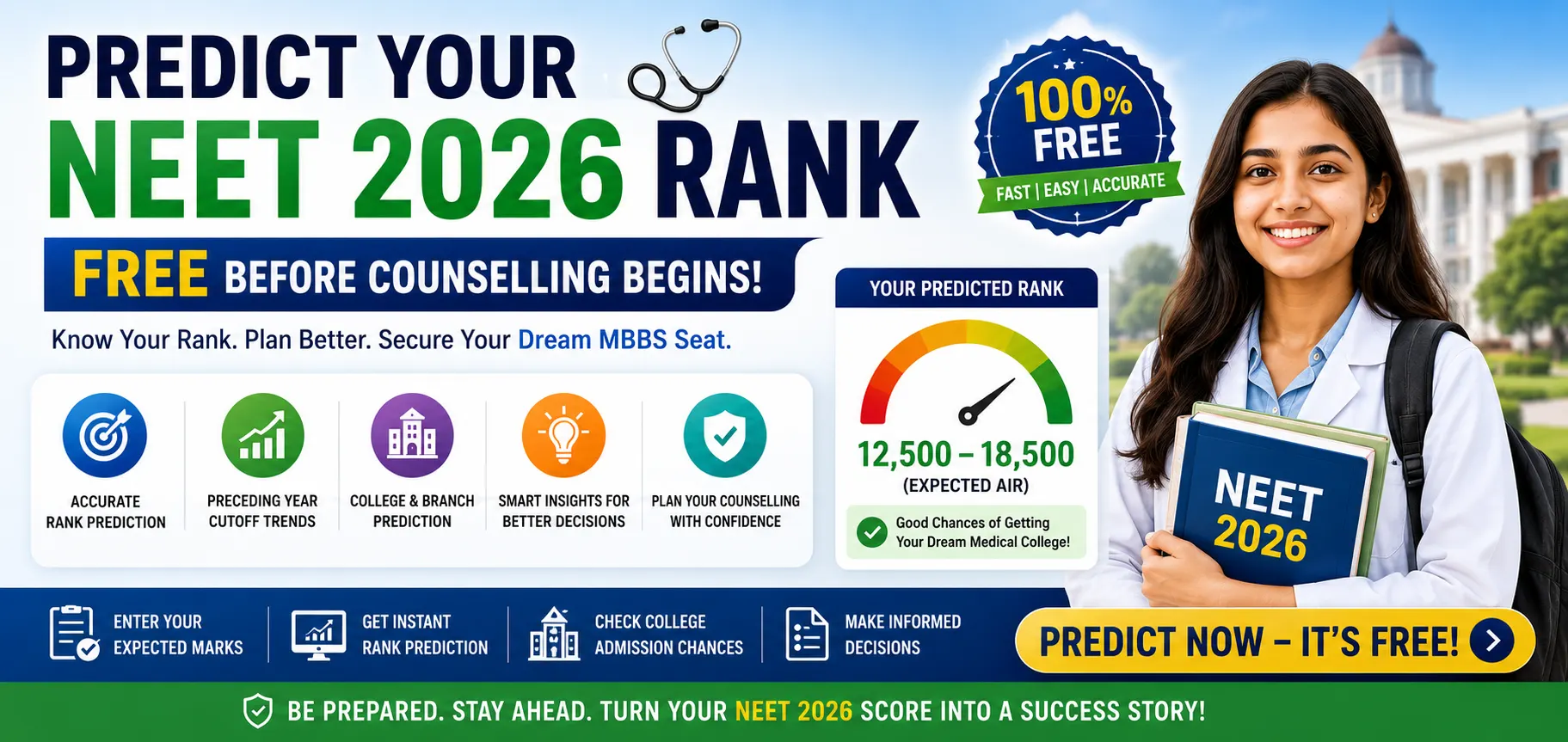
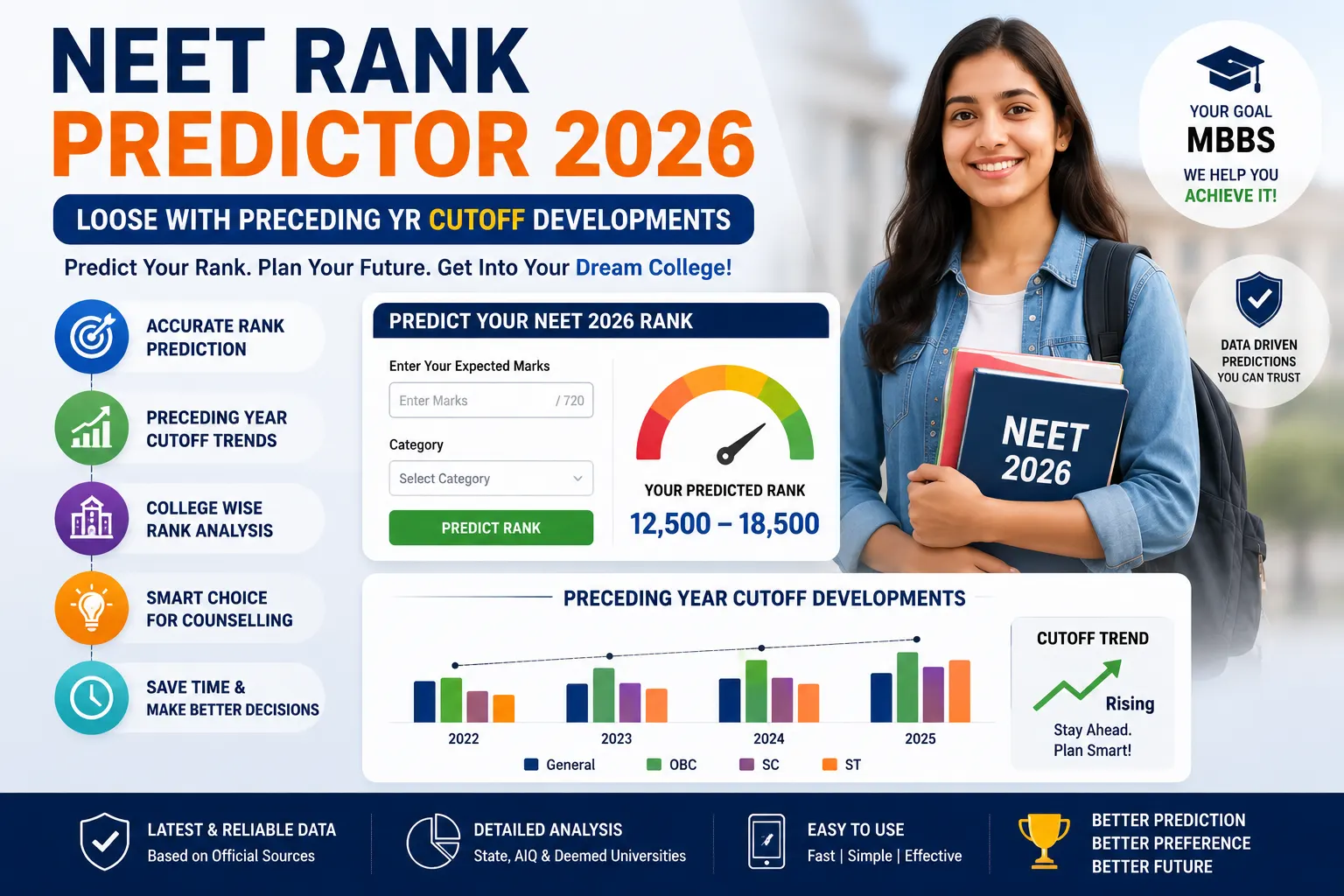
Aspirants depend heavily on NEET Rank Predictor-like predictive tools to predict their ranks, counselling chances and even have a take on realistic list of colleges.
Such tools guide the aspirants to set their evaluations within a range, and plan ahead for subsequent counseling rounds.
Concerns for Patient Safety and Training Levels
Many healthcare workers harbour concerns for the following despite any advantages:
Training Quality
The acceptance of applicants with much lower scores, without concomitant excellent training programs, could affect the academic rigor.
Clinical Competency
It is postgraduate doctors who deliver care. However, training must still be adequate for safety to the patient.
Institutional Reputation
Multiple cut-off drops will have global impact on how Indian medical education is perceived.
These issues point to the importance of balanced policy so that access is preserved alongside quality.
International background for medical education guidelines
Medical education in the present day functions in a cross-boundary world. This is the reason why recognition by international databases such as wdoms ensure that a graduate is able to access opportunities overseas.
In the same vein, international health norms frequently track literature from organizations such as the World Health Organization (WHO). It is in India’s own interest that it should never fall behind global norms at least as far as medical education is concerned.
Policy makers therefore have to weigh national healthcare requirements vis a vis global educational benchmarks.
EdTech and Policies, And How to Navigate Them
The Medical EdTech space has now become indispensable for NEET : PG preparation in today's times. They provide:
AI-driven performance analytics
Adaptive learning modules
Practice exams under exam conditions
Counselling prediction support
Students often take the help of NEET Rank Predictor in order to calculate expected ranks and manners through which one can get admission, reduce anxiety associated with results.
EdTech is extremely responsive to policy changes, providing updated content, tips on exam patterns and counselling.
Balancing Opportunity and Quality
The main issue facing policy makers is that of balancing:
Expanding access to postgraduate education
Preserving academic excellence
Ensuring patient safety
Addressing healthcare workforce shortages
Neither the draconian cut-offs nor overly relaxed guidelines are ideal. An equal and balanced approach offers opportunity and competence.
What Aspirants Should Focus On
Policy changes aside, students should be most focused on:PERSISTENCE.
Strong Academic Preparation
Excellent scores still yield the best job choices you’ve ever had.
Reliable Information Sources
Stay up to date with information from official sources such as the NMC.
Strategic Counselling Planning
Sensible use of prediction tools is recommended, not overreliance on them.
Continuous Clinical Learning
Practical ability is still important for success.
Policies may open the door, but preparation and persistence will lead to long-term success.
Future Outlook for NEET-PG Policies
Continuing changes on medical education Policies regarding medical education are expected to develop further based on:
Growing healthcare demand
Expansion of medical colleges
Digital transformation in education
Global healthcare collaboration
Those who stay flexible and educated will be the ones to thrive.
Conclusion
The NEET-PG 2026 policy transition is a delicate balancing act between creating new PG seats and maintaining quality of medical education. The modern medical landscape seems to be guided by regulatory advisories from the NMC, Global Educational Recognition offered by WDOMS, healthcare benchmarks set by WHO and digital planning tools such as NEET Rank Predictor.
For candidates, the lesson is obvious: stay vigilant, study hard and react to policy changes strategically. Although admission policies may change, commitment, aptitude and life-long learning are still at the heart of a successful medical career.