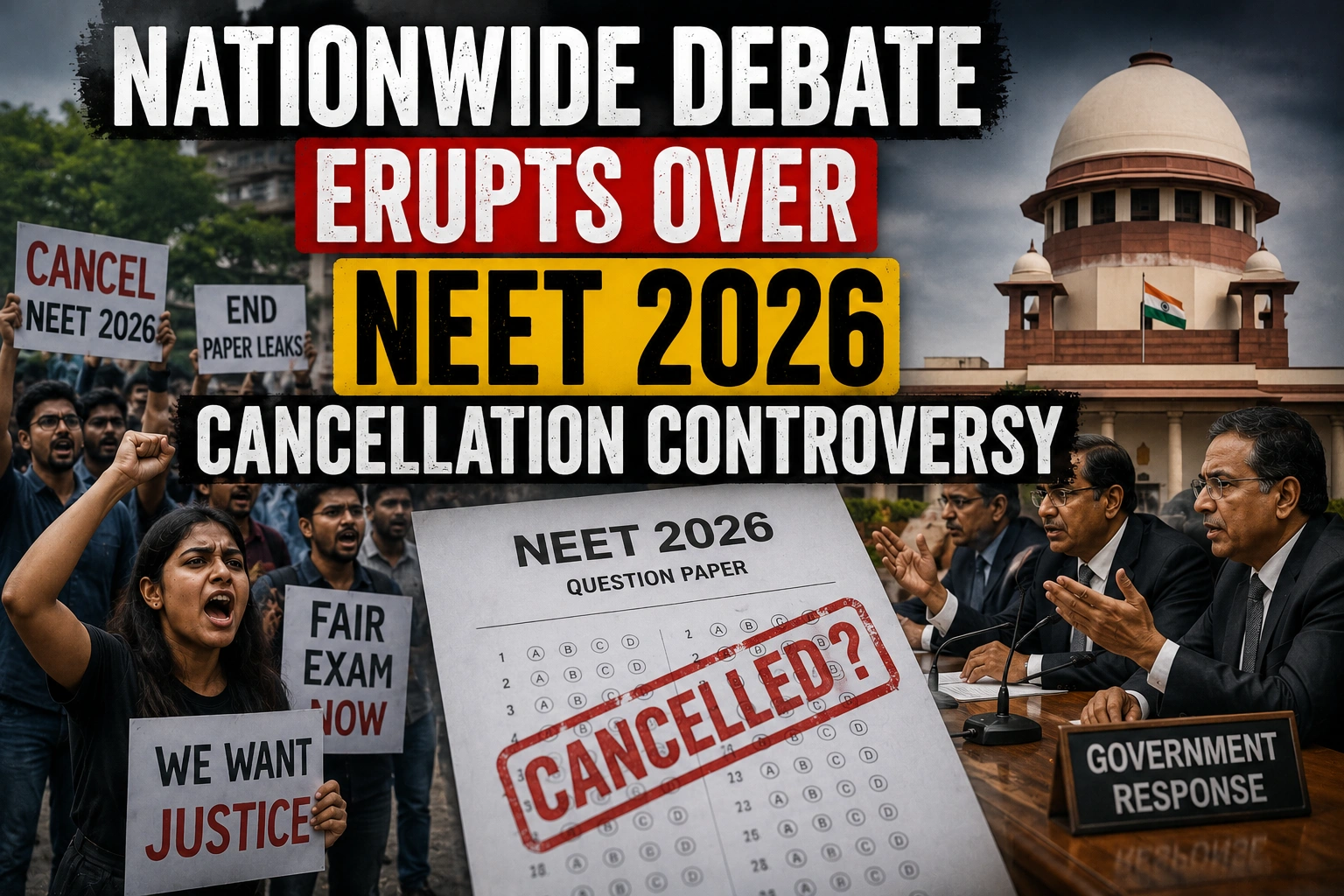
The news of the cancellation of India’s 2026 NEET exam has sparked nationwide controversy. Hundreds of thousands of students, who had long held pent-up grievances over past exam paper leaks, test misconduct, and administrative failures, launched the first wave of protests.
Shortly afterward, the Federation of All India Medical Association (FAIMA) submitted a petition to the Supreme Court of India, triggering a national debate over whether the National Testing Agency (NTA) would be replaced.
The discussion soon expanded beyond student-focused circles on social media, with parents, doctors, test preparation industry practitioners, education experts, and legal analysts all joining to question whether the existing framework can fairly administer this high-stakes medical entrance exam.
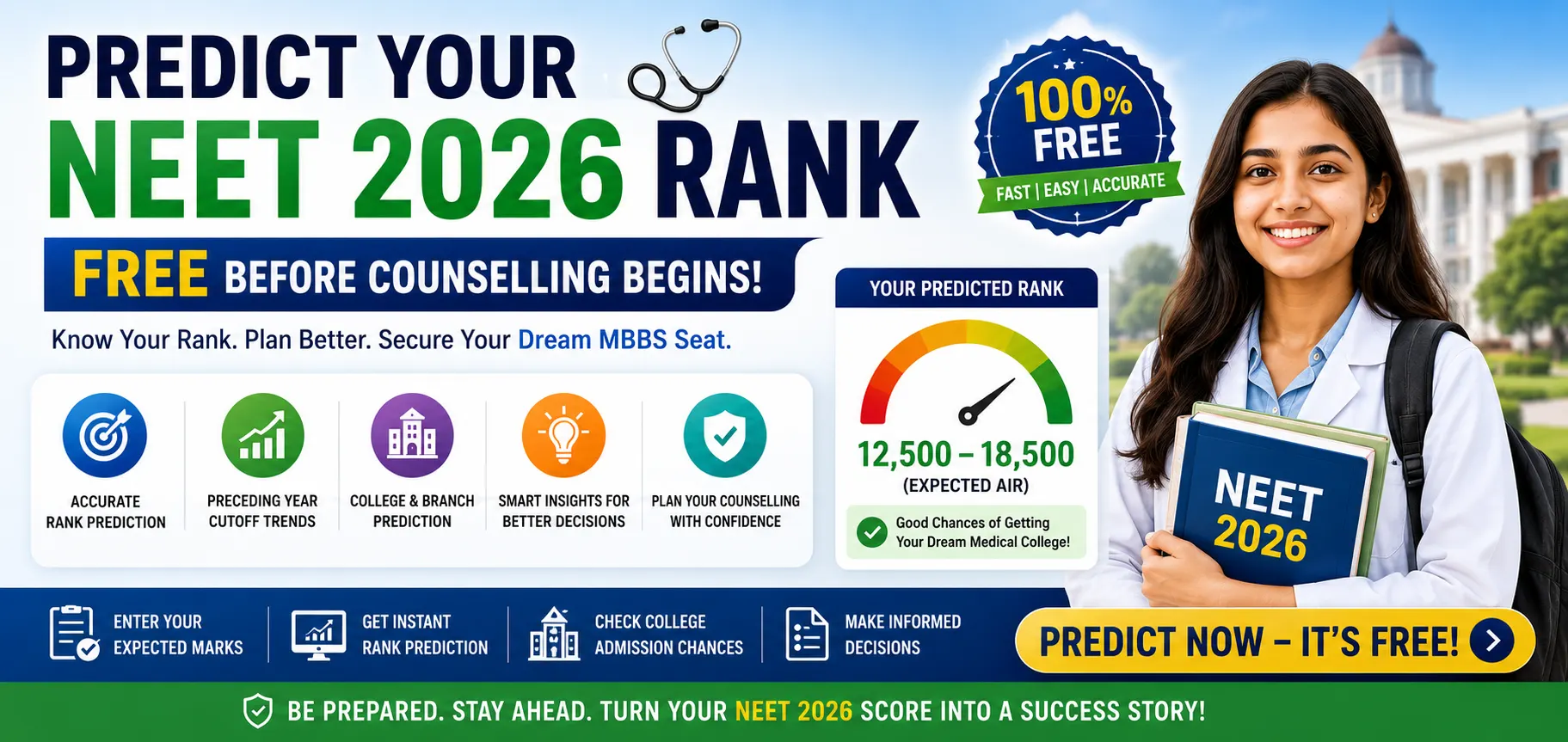
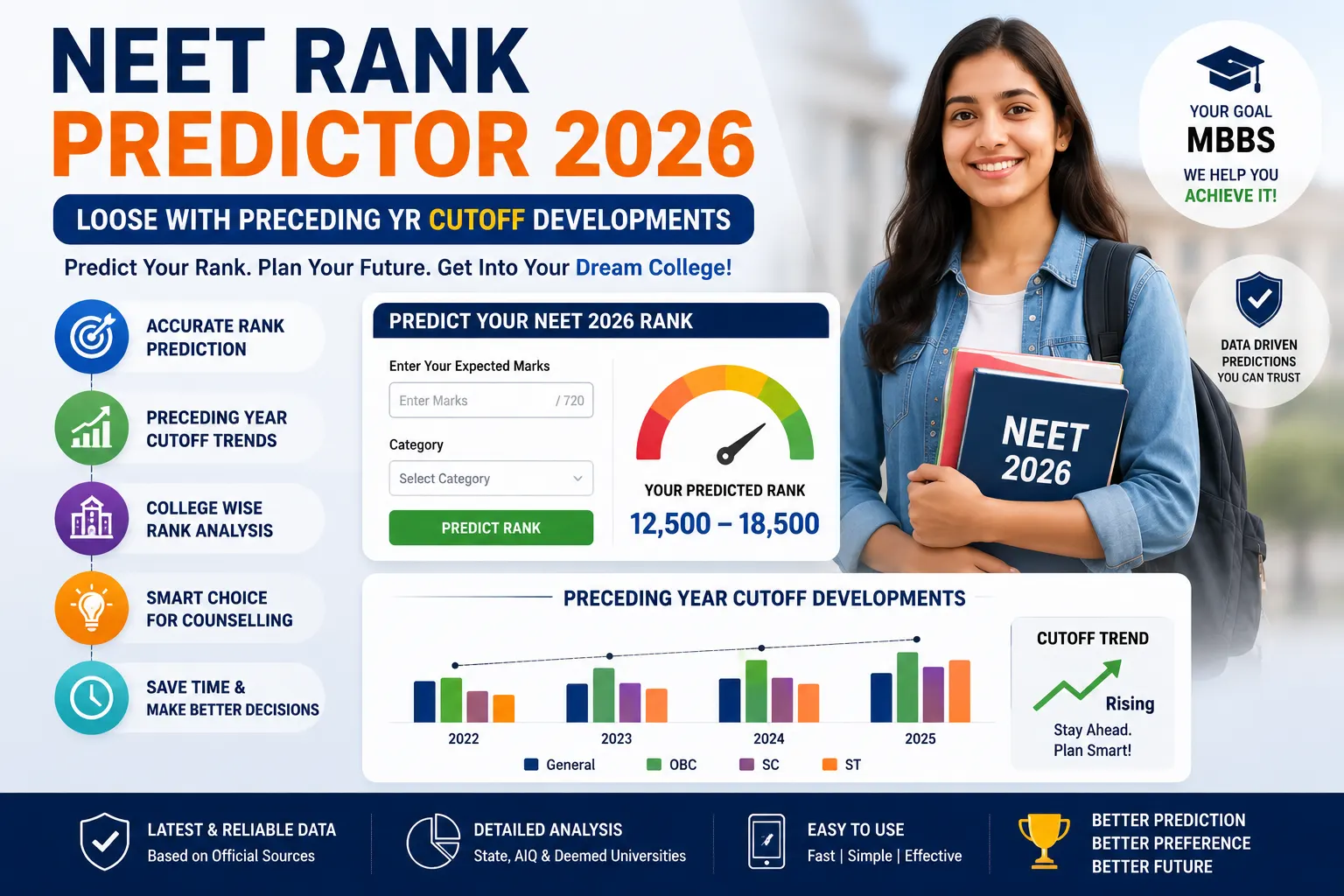
This controversy bears directly on public trust in India’s medical education system, the principle of merit-based selection, and the future of the country’s medical sector. Millions of exam-preparing students affected by the ongoing uncertainty have turned to the NEET Rank Predictor 2026 to estimate their ranks and assess their chances of securing MBBS admission.
FAIMA Petition Against NEET Irregularities
The Federation of All India Medical Associations (FAIMA), India’s leading medical institution, submitted an application to the Supreme Court of India seeking urgent intervention over alleged irregularities in the 2026 National Eligibility cum Entrance Test (NEET), India’s uniform national medical entrance exam.
The association outlined five core problems tied to the exam:
- Suspected question leakage
- Lack of procedural transparency
- Delayed accountability
- Emotional distress suffered by test-takers
- Security loopholes in exam administration
Its core demand is to ensure that test-takers who have spent years preparing for the exam receive fair treatment.
The Supreme Court’s intervention has elevated public attention to the issue, and also sparked a nationwide debate over whether to abolish the current exam governing body, the National Testing Agency (NTA), and establish a new dedicated exam regulatory agency.
Hundreds of thousands of test-takers awaiting admission are currently using the NEET College Predictor Tool to assess their application options for both public and private medical colleges approved by NMC.
Why NEET Is One of India’s Most Important Exams
NEET is not an ordinary competitive examination, but the largest national-scale medical entrance exam in India.
It is responsible for student admissions to:
- MBBS programs
- BDS programs
- AYUSH institutions
- Veterinary programs
- Nursing and related medical fields
Each year, more than 2 million candidates compete for the limited number of medical seats.
To prepare for this exam, India’s middle-class families have to bear years of sacrifices, tutoring fees, accommodation costs and emotional strain. The recent question paper leak allegations have triggered successive rounds of doubt among test-takers about:
- The merit-based selection principle
- The value of hard work
- The fairness of the admission system
This has eventually evolved into nationwide public anger.
What Happened During the NEET 2026 Controversy?
What exactly happened to the 2026 NEET exam? Shortly after the exam concluded, reports of question paper leaks and suspicious score patterns emerged online.
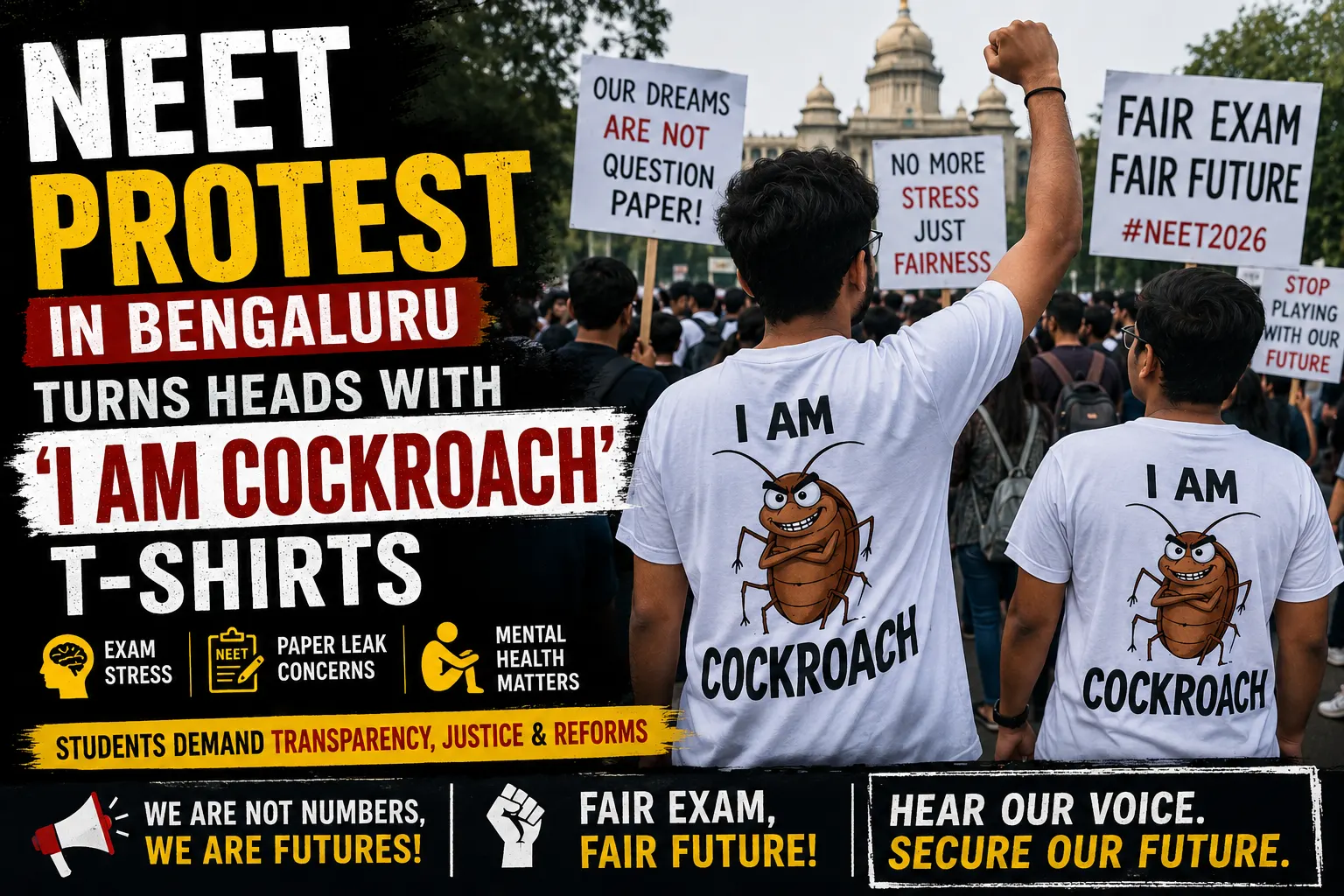
Students put forward four core allegations, and offline protests erupted in six cities including Delhi.
The related topic has spread and gained widespread attention across social media platforms such as Telegram and WhatsApp.
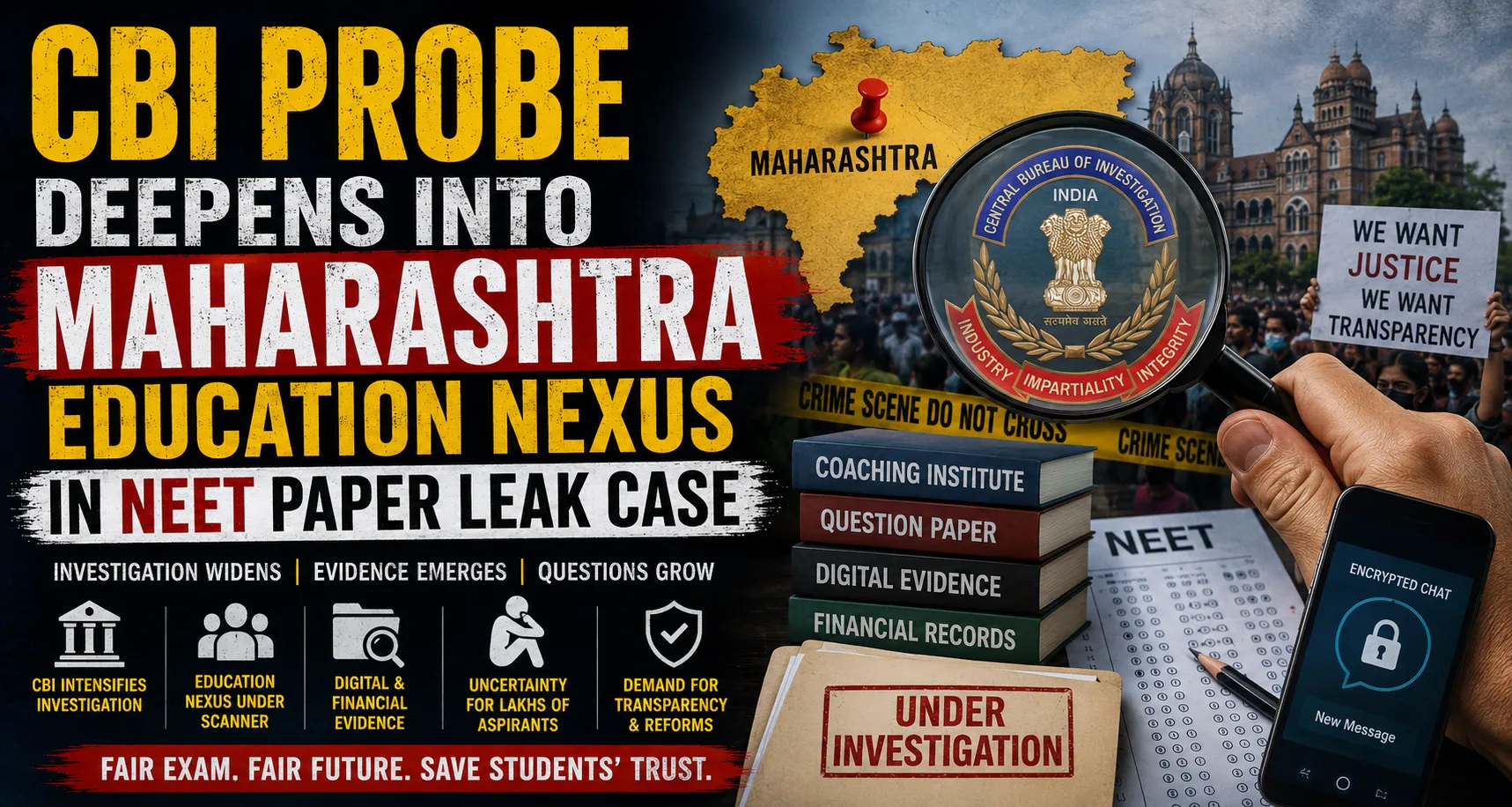
Tensions escalated after the investigative body launched an investigation into the organized network for leaking exam questions.
Amid this pervasive uncertainty, exam candidates used NEET score ranking analysis tools to predict their admission ranks, and assess the impact of changes to admission cutoff scores on their chances of gaining admission.
Why Students Are Losing Trust in the NTA
India’s National Testing Agency (NTA) was originally founded with the mission of standardizing the order of national examination and enrollment processes across the country, and set four core objectives.
In its early days, it earned widespread positive evaluations, but today it is deeply mired in a trust crisis. This situation is exactly what gave rise to this paper’s core topic: “Why are students losing trust in the NTA?”
Critics point out that the NEET is not the first competitive examination to face allegations of improper operations.
In recent years, multiple similar exams have encountered issues including:
- Question paper leaks
- Technical failures
- Result errors
- Server outages
- Mismatched exam papers
Even as investigations move forward, examinees have rapidly lost trust in the examination system.
Delayed Communication and Student Anxiety
Candidates taking India’s national unified medical entrance exam, NEET, have criticized official authorities for their delayed clarifications issued during the crisis.
The uncertainty surrounding this high-pressure exam already imposes a heavy emotional burden on test-takers.
Five core concerns raised by the candidates, including arrangements for a re-examination, remain unaddressed.
The lack of communication has sparked widespread panic, creating conditions for false information to spread unchecked.
Mental Health Impact on Medical Aspirants
The fairness controversy surrounding India’s NEET exam is severely undermining the mental health of medical aspirants preparing to take the test.
These students study an average of 10–12 hours per day, sit for the exam repeatedly over multiple consecutive years, and have sacrificed their social lives, hobbies, sleep, and time spent with their families.
Symptoms such as anxiety and depression occur at high rates among this group, and numerous Indian mental health experts have called for the urgent establishment of an emotional support system for this population.
Can India Replace the National Testing Agency?
Can India's National Testing Agency (NTA) be replaced?
From a legal perspective, as the NTA is an agency subordinate to the Ministry of Education, the government could formally carry out its structural reform or organizational replacement through policy measures.
However, experts point out that merely replacing the agency cannot resolve deep-rooted systemic problems.
At present, there are six actionable, implementable reform directions. Furthermore, policy analysts warn that simply renaming the agency without deepening reform will absolutely never succeed in rebuilding public trust.
Possible Supreme Court Actions and Legal Outcomes
How will the response issued by the Supreme Court of India to the FAIMA petition shape India’s domestic examination system? The following text outlines all possible legal outcomes related to this matter.
Court Monitoring of Investigation Progress
This study proposes that, for cases involving suspected networks of academic paper leakage, courts may require investigating bodies to submit regular progress reports to enhance the transparency and accountability of relevant investigations.
Comprehensive Examination Reforms
Judicial authorities may advance five exam reforms that cover all risk control nodes across the entire process, including test paper security.
Possibility of Re-NEET Examination
The policy of ordering a retest for affected candidates, which may only be considered after the competent authority verifies that large-scale exam violations have occurred, is one of the most controversial handling options.
Accountability Measures for Officials
Public officials whose dereliction of duty has been verified through investigation will be subject to corresponding accountability measures applied under a tiered framework, and criminal investigations will only be launched for serious cases.
Deep Structural Problems in India’s Examination Ecosystem
This study points out that the controversy surrounding India’s NEET examination is by no means an isolated incident, but a deep-seated flaw in the country’s entire ecosystem of competitive exams.
Exam question leaks have eroded the public credibility of the elite talent selection system.
Millions of students, who view these exams as a channel for equal opportunity, have developed the perception that:
- Personal connections outweigh hard work
- Money can determine success or failure
- Honest test-takers are unfairly disadvantaged
This situation ultimately destroys the public’s trust in the relevant authorities, and even in the country’s entire education system as a whole.
Proposal for an Autonomous National Examination Agency
Experts in India’s education sector are currently conducting feasibility studies on the establishment of an autonomous national-level examination management agency that is completely free from political and bureaucratic influence.
This agency must:
- Bring together five categories of professionals
- Implement five technical reforms
- Meet four core supporting conditions including infrastructure development and political consensus
After completing a full-chain derivation, the experts ultimately judge that advancing reforms within the existing system is more feasible in the short term.
Emotional Exhaustion Among NEET Aspirants
All NEET candidates across India are broadly experiencing frustration, disappointment, and emotional exhaustion.
Years of hard work they invested in exam preparation have been undermined by exam controversies completely outside of their control.
On social media platforms, the struggles shared by these candidates include:
- Insomnia
- Fear related to exam coaching
- Emotional breakdowns
- Pressure from family expectations
- Confusion over future planning
Repeat students preparing to retake the exam face especially extreme psychological stress.
Candidates can use the NEET Expected Rank Calculator to analyze their possible outcomes and develop alternative exam preparation plans for institutions listed under WDOMS.
Role of Social Media and Spread of Misinformation
Social media significantly amplified the voices of test-takers during the recent NEET exam controversy.
Instagram, X (formerly Twitter), YouTube, Telegram, and Reddit served as the core platforms for students to hold discussions and launch protests.
However, these platforms also spawned rampant disinformation:
- Forged official notifications
- Altered screenshots
- Rumors claiming the exam would be canceled
Only information from four categories of authoritative sources, including India’s National Testing Agency (NTA), is credible, and unvetted content only exacerbates unfounded mass panic.
Urgent Technical and Governance Reforms Needed
A major systemic flaw has been exposed in India’s NEET medical entrance exam, and experts have called for urgent reforms that cover both the technical and governance dimensions simultaneously.
Strengthened Cybersecurity Systems
This paper proposes that high-risk examinations must be equipped with advanced encryption and secure servers in line with international institutional standards promoted by organizations such as WHO.
Regional Monitoring and Accountability
At the regional level, it is necessary to improve the monitoring of examination centers, strengthen oversight, and enforce strict accountability.
Mental Health Support Systems
Focusing on student mental health support, there is an urgent need to build a dedicated counseling and emotional assistance system for exam candidates.
Important Advice for NEET Candidates
Currently, the relevant investigations and legal proceedings are still underway.
All students are strongly advised against making incorrect decisions out of panic.
Continue Academic Preparation
Continue your academic exam preparation, and maintain your originally planned review pace until an official notice is issued.
Avoid Fake News and Rumors
All users, guard against fake news:
- Do not use unofficial Telegram groups
- Do not engage in viral forwarding of content via WhatsApp
Prioritize Mental Health
Centered on mental health, the three supporting elements of sleep, exercise, and emotional balance are all equally important during periods of uncertainty.
Explore Backup Admission Plans
NEET candidates preparing for the exam are advised to evaluate three categories of higher education admission alternatives:
- Psychological counseling
- Alternative entrance exams
- Academic pathway options
All candidates should organize and finalize their plans using the 2026 edition of the NEET Counseling Predictor.
Will the NEET Controversy Become a Turning Point?
Will this NEET exam controversy become a turning point in India’s educational examination system?
We hold that it is a highly symbolic event.
The core challenge of any related reform is to regain students’ trust, as students have already put forward six specific demands.
Even if the official examination body NTA is reformed, restructured, or replaced, the primary difficulty remains restoring test-takers’ confidence: this exam acts as the dream pathway for millions of people pursuing a career as medical practitioners.
Conclusion
The fallout of the 2026 NEET controversy has yet to subside. FAIMA has filed a legal petition to escalate its scrutiny of India’s National Testing Agency (NTA), reigniting nationwide debate over the future of the country’s medical entrance examination system.
The case is currently entering the review process of the Supreme Court of India.
Hundreds of thousands of candidates preparing for the exam are engulfed in anxiety over the fairness of their higher education admissions. India’s medical entrance examination system urgently needs to establish complete transparency, security, and accountability mechanisms to deliver a proper resolution for these young people who are awaiting a clear official answer.