In India, millions of aspiring medical examinees spend years striving to reach the examination hall for the National Eligibility cum Entrance Test (NEET), India’s national medical school entrance qualification exam. They sustain this long journey only through daily self-discipline, repeated personal sacrifices, and long-term emotional strain; building a career in medicine is the life dream they pursue with all their strength.
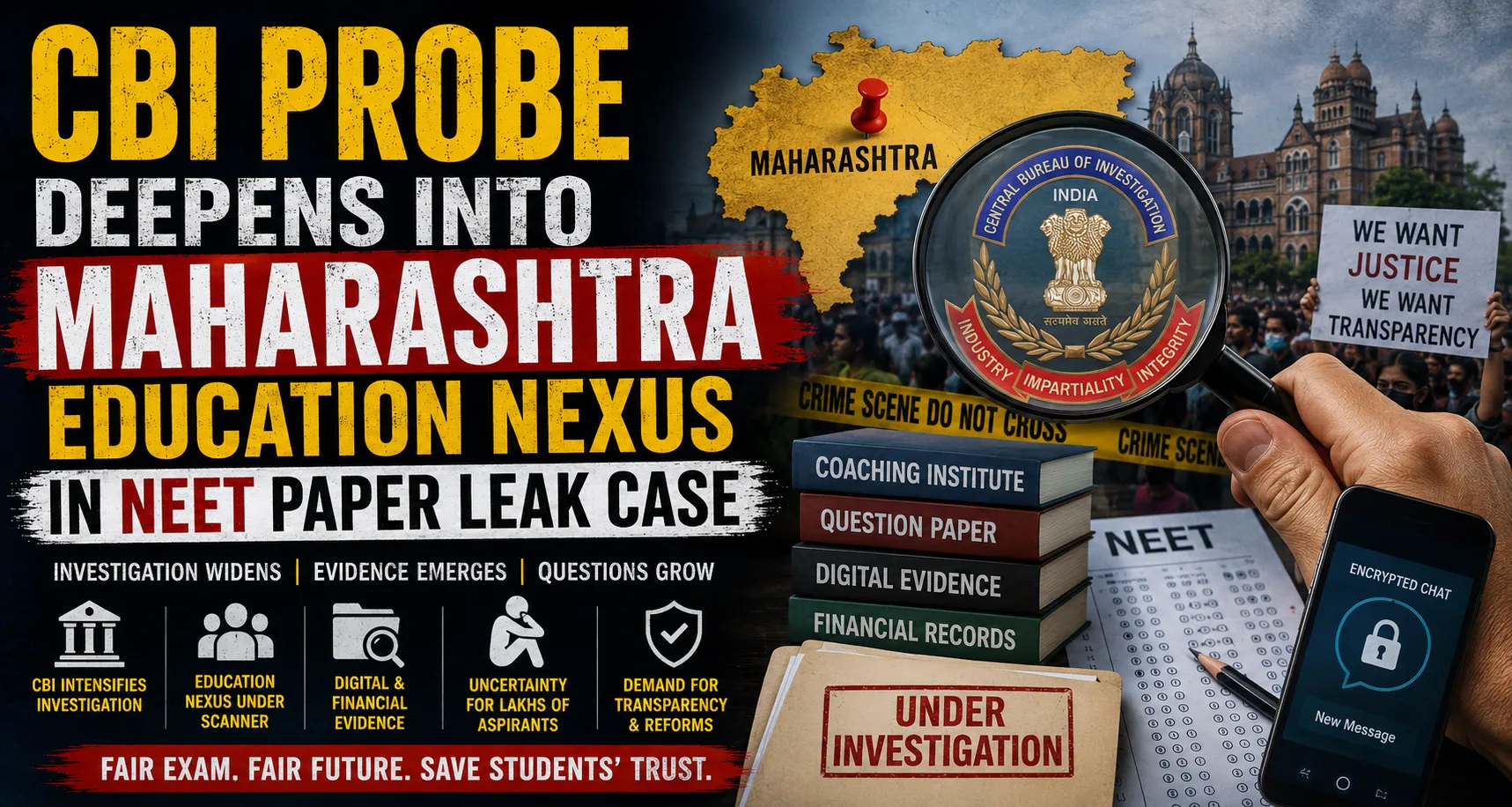
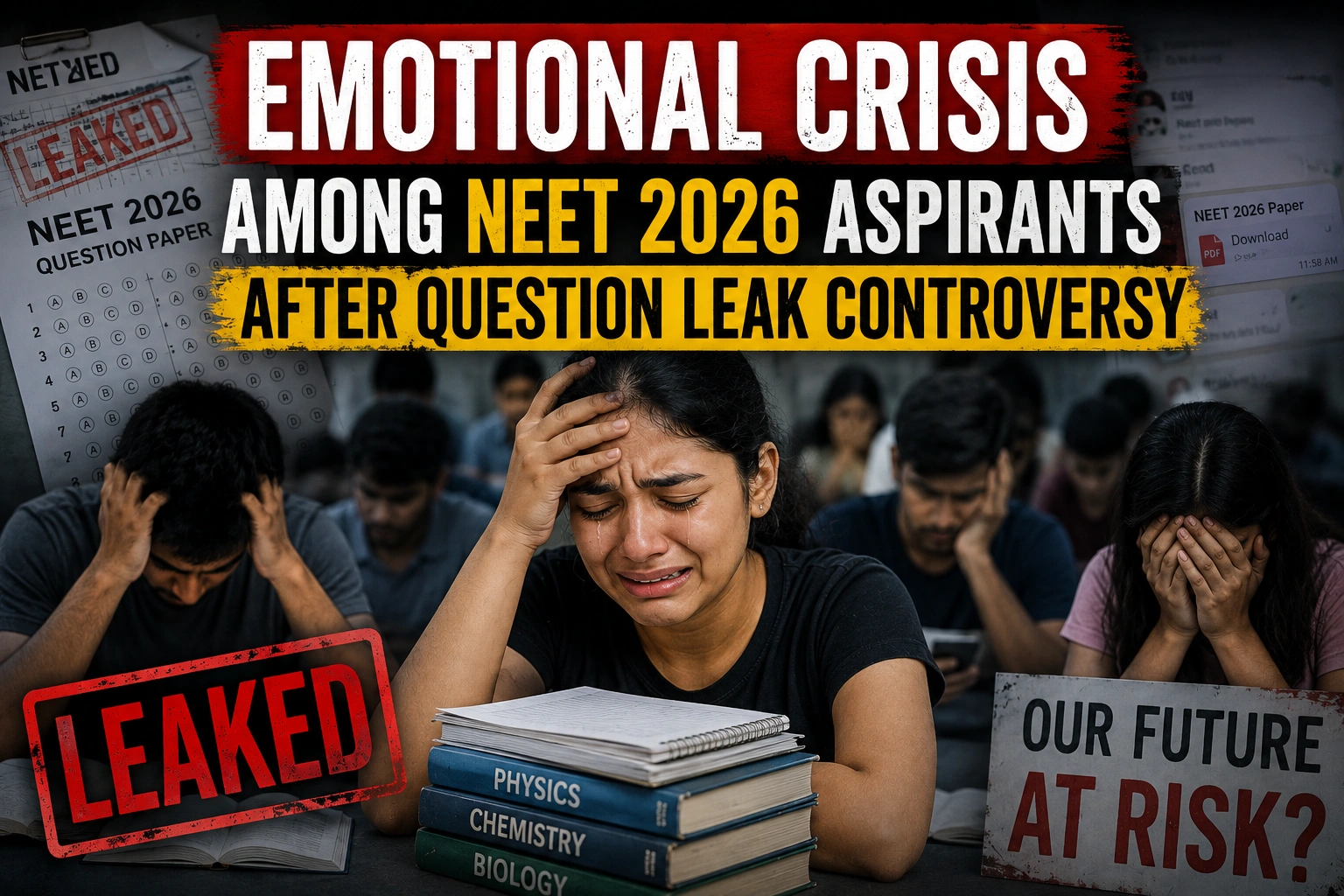
In 2026, a major question leak scandal erupted for that year’s iteration of the exam, which is overseen by the National Testing Agency (NTA). The scandal immediately triggered nationwide protests. Many examinees suffered emotional breakdowns, public trust in the national exam system was completely undermined, and test-takers widely questioned whether the merit principle that originally underpinned merit-based admission could still hold, as educational fairness had been severely violated.
Today, these examinees are trapped in three overlapping layers of uncertainty:
- They have no clarity on whether they can proceed with college application counseling
- Whether their original exam rankings retain any validity
- Whether a full exam retest will be organized
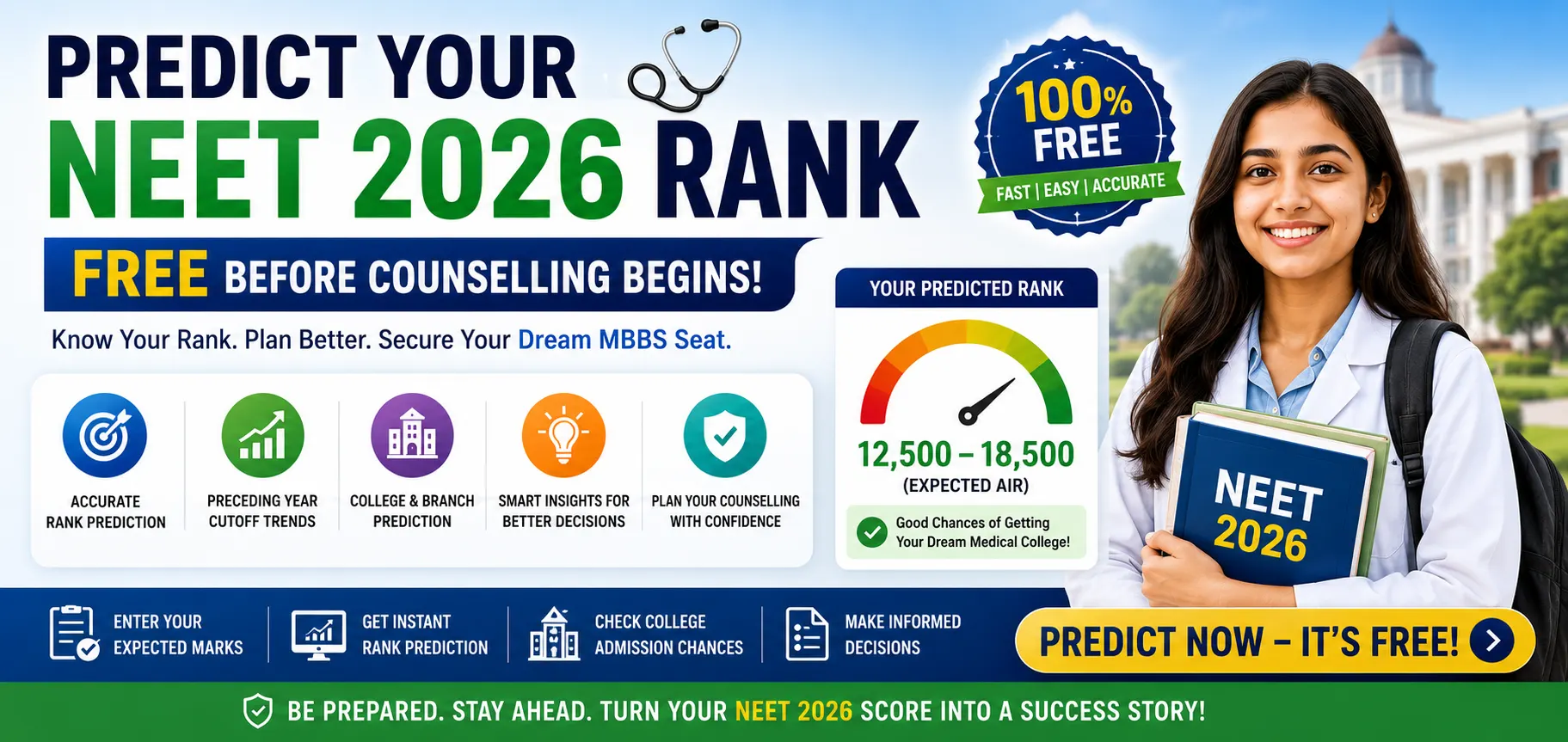
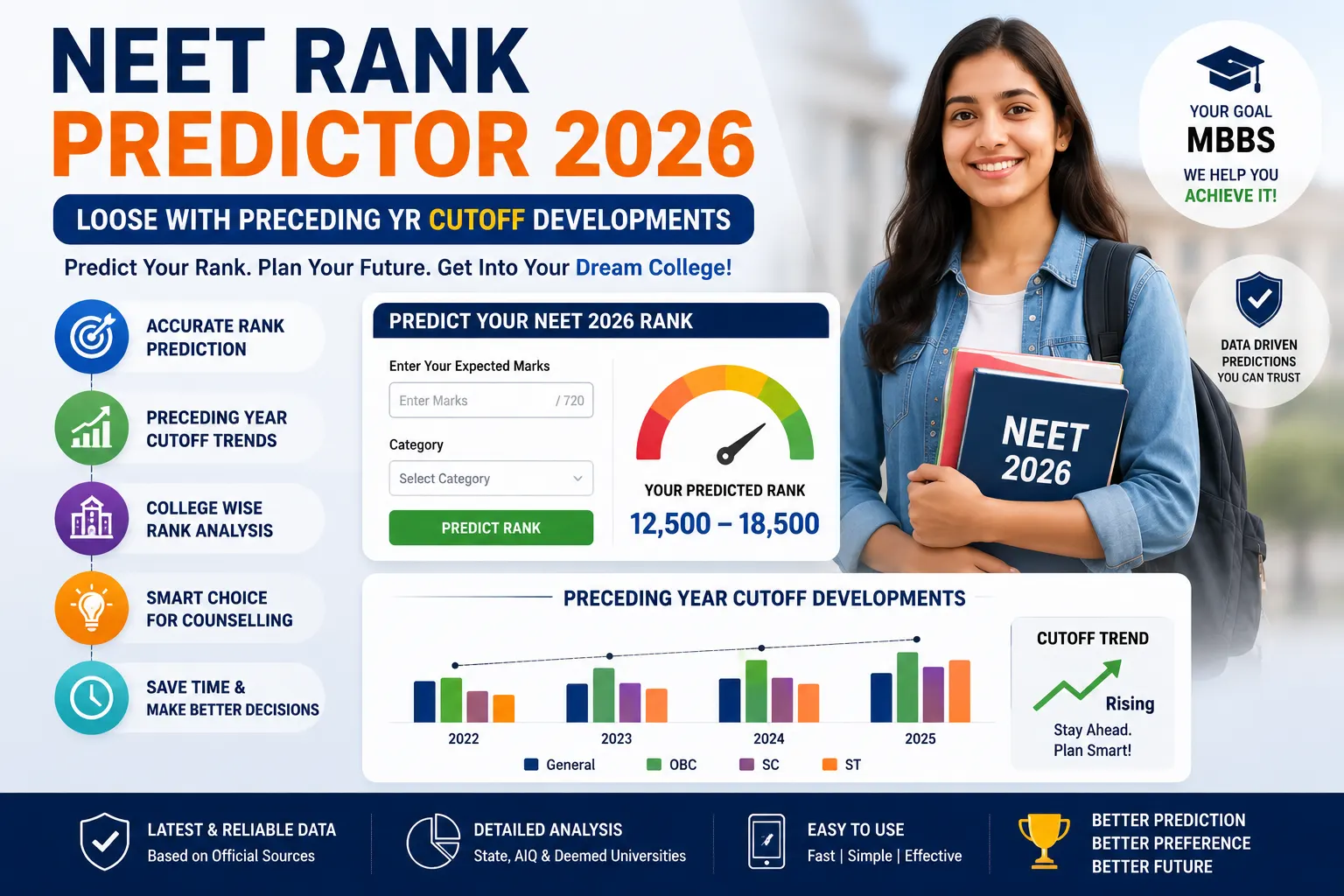
Most of them rely on the NEET Rank Predictor 2026 to estimate their exam results, analyze cutoff score trends, and predict their chances of gaining admission to medical schools.
Years of Sacrifice Behind NEET Preparation
Most students in India preparing for the NEET college entrance exam begin their test preparation as early as 9th or 10th grade. Relying on coaching institutes, they spend 10 to 12 hours studying each day, sacrifice social activities and personal hobbies, spend multiple consecutive years preparing for the exam, and repeatedly take practice mock tests.
Their parents also spend hundreds of thousands of rupees to cover all types of exam preparation-related costs, and the core priority of the entire family revolves around this exam preparation. All these heavy sacrifices have led to allegations of exam question leaks inflicting devastating emotional harm on students who took the exam honestly.
Allegations of Question Paper Leaks and Student Protests
Shortly after the 2026 NEET concluded, allegations that the exam’s questions had been leaked before the test date began circulating online.
Examinees across multiple states collectively raised concerns about four types of groups linked to the question leak and the unfair advantages that resulted from it, and related hashtags soon gained widespread traction on social media platforms.
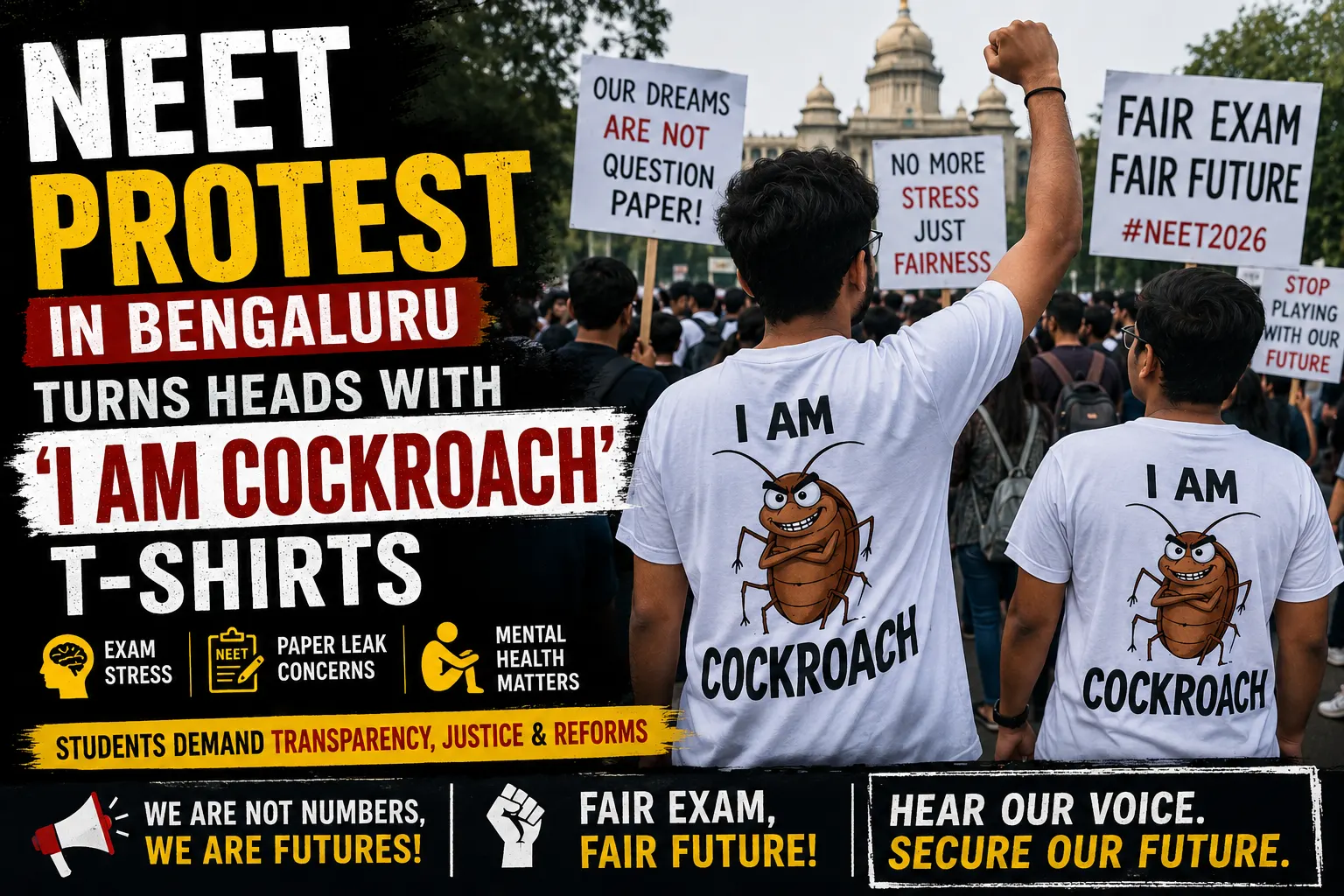
Student protests have erupted successively in six Indian cities:
- Delhi
- Patna
- Kota
- Jaipur
- Lucknow
- Mumbai
This wave of unrest has escalated from an examination-related dispute into an emotional crisis among the student community.
Emotional Breakdown and Loss of Trust Among Students
Most candidates preparing for the NEET originally started their exam preparation holding the belief that the exam system would fairly reward hard work and academic merit. After allegations emerged that some individuals had illegally obtained exam questions, their core feeling was an intense sense of betrayal.
They perceived their years of effort as pointlessly devalued, and they vented their anger, anxiety, and helplessness online. Many of these candidates can no longer place trust in this exam system. This escalating, widespread emotional breakdown is exactly the most heartbreaking part of the current controversy.
Why NEET Is One of India’s Most Stressful Exams
To understand the emotional breakdowns of students preparing for India’s NEET exam, we must first recognize the extreme emotional intensity of this national unified medical school entrance exam itself.
As one of the most competitive exams in India, it attracts over 2 million applicants each year, yet only a tiny fraction can secure an MBBS seat, with competition for public medical college seats being particularly fierce.
The average test-taker must make numerous sacrifices to prepare for the exam, while repeat test-takers referred to as “droppers” face even greater pressure; if these students additionally encounter doubts over the exam’s fairness, their emotional breakdowns are entirely logical.
Mental Health Crisis Among NEET Aspirants
Mental health experts have issued widespread warnings that the NEET controversy is severely undermining the well-being of medical school aspirants preparing for the exam.
Reports show this group of students commonly experiences six categories of mental health issues, including sleep disorders and panic attacks. One exam-preparing student suffered an emotional breakdown after taking part in online discussions about rumors of question paper leaks.
Clinical psychologists note that long-term uncertainty surrounding four core matters—including re-examination arrangements and the progress of the official investigation—has damaged students’ emotional stability. Many of these students rely on the NEET College Predictor Tool to estimate their likelihood of gaining admission to public and private medical colleges recognized by WDOMS.
Role of Social Media During the NEET Controversy
During the NEET controversy, five major social media platforms—Instagram, X (formerly Twitter), Telegram, Reddit, and YouTube—served as the core hubs of activity for exam candidates.
On these platforms, candidates shared their experiences, organized protests, discussed suspicious activities, and called for accountability; for many of the test-takers preparing for the exam, these platforms were the only space where they could express discontent and draw attention to their grievances.
However, these same platforms also fostered the spread of false notifications, edited screenshots, and unsubstantiated rumors, which triggered panic among candidates and worsened their emotional stress.
Experts have recommended that credible information be sourced from:
- Official NTA notifications
- Verified updates on court proceedings
- Government announcements
- Authoritative news agencies
Collapse of Trust in the Merit-Based Examination System
This paper argues that the core function of competitive examinations is to embody fairness and equal opportunity. Students preparing for such examinations generally hold three fundamental beliefs:
- Effort determines outcomes
- Merit determines rankings
- Honest work will be rewarded
If allegations related to exam question leaks or corruption come to light, trust in this merit-based selection system will collapse, triggering intense emotions among test-takers, while also giving rise to three core fears:
- Honest test-takers will suffer unfair disadvantages
- Wealth and personal connections can interfere with exam results
- The system cannot guarantee fairness
The long-term harms of such trust crises far exceed the scope of any single exam cycle.
Debate Over Re-NEET Examination
What would happen if the Re-NEET exam is held? This is one of the biggest concerns among current exam candidates:
- Some students support a retest to safeguard fairness
- Another group has long suffered from emotional exhaustion and cannot withstand the additional burdens a retest would bring
These burdens include:
- Extended exam preparation pressure
- Delayed college admission counseling
- Interrupted academic semesters
- Worsening mental fatigue
- Financial burden of traveling to a different location to sit the exam
Yet if large-scale exam rule violations did occur, holding a retest to uphold the merit-based admission principle is also a necessary step, and this debate has long split the student community.
Emotional Burden on Parents and Families
This paper points out that the emotional burden caused by India’s medical school entrance exam NEET is by no means shouldered solely by test-takers. Parents of test-preparing families across the country generally suffer from frustration and dejection.
They have incurred four core types of costs, and worry that their children’s efforts will be nullified by institutional loopholes. They have already put forward four public appeals, including conducting transparent investigations and strengthening security, among other related measures.
Demand for Large-Scale Examination Reforms
The controversy surrounding India’s NEET exam has reignited calls for large-scale reforms to the country’s national examination system.
Most education experts have put forward five supporting upgrade requirements, which include advanced cybersecurity, AI monitoring and other related measures. A portion of experts has called for the establishment of an entirely new autonomous exam body, whose core goal is to restore public trust in competitive examinations regulated under standards similar to those promoted by NMC.
Can Technology Prevent Future Exam Paper Leaks?
Can technology prevent future exam paper leaks? A number of experts hold that this is feasible, and specific plans will be outlined in subsequent sections of this paper.
Blockchain-Based Security Systems
Blockchain-based systems have the potential to track access permissions for all types of confidential examination materials.
Encrypted Digital Transmission
Organizers of all types of examinations use encrypted digital transmission to prevent and control the risk of unauthorized access to exam papers before the exam date.
Cybersecurity Infrastructure Upgrades
To strengthen cybersecurity infrastructure, examination agencies must deploy advanced frameworks to crack down on organized exam question leakage networks in alignment with global standards promoted by organizations such as WHO.
Important Advice for NEET Candidates
Currently, the relevant investigation is still ongoing.
Experts advise test-preparing applicants to remain calm and refrain from making panic-driven decisions.
Students are urged to:
- Avoid fake news
- Refrain from using unofficial Telegram groups and WhatsApp to widely circulate content
- Prioritize mental health
- Get enough sleep
- Exercise regularly
- Seek emotional support during high-pressure periods
All students who need to retake an exam or prepare for future exams must review their studies in a steady, consistent manner to maintain academic engagement.
We recommend that candidates preparing for the NEET make early psychological preparations for all types of admission scenarios. A large number of these candidates use the NEET Counseling Predictor 2026 to analyze seat allocation trends and their chances of securing MBBS admission.
Public Pressure for Examination System Reform Reaches New Heights
Controversies surrounding India’s NEET exam have long extended far beyond the scope of a single test, exposing five major underlying risks across five key areas:
- Transparency
- Accountability
- Cybersecurity readiness
- Student mental health
- Fairness for meritorious, high-achieving students
Public pressure for reform is at an unprecedented level, and student demands have escalated from initially calling for the release of official exam answers to demanding the rebuilding of public trust in the entire education system.
The Most Heartbreaking Impact of the NEET Controversy
The most heartbreaking aspect of the ongoing controversy over India’s medical education system is the state of the country’s entire cohort of prospective medical students preparing for the national entrance examination.
These students have repeatedly shared that they are:
- Physically exhausted
- Facing an uncertain future
- Mentally burned out
- Emotionally betrayed
Once highly driven students, they are now overwhelmed by anxiety. For India, where a career in medicine represents a core life aspiration for millions of its people, this type of emotional and psychological harm cannot be overlooked.
Conclusion
The 2026 question leak incident involving India's NEET has left hundreds of thousands of honest test-takers heartbroken. These examinees had spent years preparing for the exam through self-discipline and determination, with the goal of pursuing a career in medicine, and are now mired in emotional distress and uncertainty about their future.
At present, investigations into the incident remain ongoing, and the competent regulatory authorities are deliberating over reform plans. India's competitive examination system urgently needs to improve its transparency, accountability, and security mechanisms. For test-takers, this exam carries years of their dreams, sacrifices, and future prospects, and is far more than just a test.