There are countless powerful stories about resilience in India, but the story of Ramlal is unique because it intertwines social struggle, personal perseverance and a dream of becoming a doctor with a single-minded focus to make it big. Married at 11 in accordance with rural customs and economic pressure, when most children his age were going to school he already had an adult’s duties. But rather than give up on education, he studied hard and aimed to clear the NEET — India’s fiercely competitive medical entrance examination. His struggle demonstrates the power of sheer will, insight, and perseverance over even entrenched societal problems.
For most of the NEET aspirants, to prepare is itself a challenge as the syllabus is gigantic, admission is unsure and competition being cut-throat. If financial stress, social pressures, and other early responsibilities are thrown into the mix, it becomes even more challenging. Ramlal’s success story speaks volumes of the power of motivation and making well-informed decisions, which can turn privations into prospects.
Understanding NEET and Medical Aspirations
The NEET (UG) is the national-level entrance test for admission to MBBS and BDS courses in Indian institutes, based on which admission are given. It is governed by the National Medical Commission (NMC), which lays down common standards in medical education and practitioner qualifications. Every year there are millions of candidates who apply for few seats and so it is very important to go with the structured preparation.
Medical education recognition is also important at the level of the world. World Directory of Medical Schools (WDOMS) accredits medical schools globally and the WHO is a leading authority in the global health industry. And knowing about such organizations does its bit in making students realize that there are careers beyond just passing an entrance test.
Early Social and Life Struggles
The practice of child marriage is prohibited by law, but rules the tradition in some rural parts; and poverty coupled with knowledge-beam emerge the challenges. At 11, having a husband meant Ramlal had emotional and social responsibilities most children don't take on for decades. A lot of students with his profile had already dropped out, for good.
Among the obstacles he encountered were:
Scant book and coaching money
Social norms favoring family responsibilities against education
Insufficient exposure to competitive exam techniques.
Emotional stress from balancing responsibilities
Nevertheless, primarily through the encouragement of teachers who motivated him to continue his schooling. It was through their mentorship that he learned education could chart a different course for the future.
Inspiration Behind Becoming a Doctor
Not having a medical assistance centre in his village was what stimulated the dream of medicine. People had often traveled long distances for treatment, and mild illnesses might become serious because of delayed care. Growing up around all this was, for him, what informed his desire to become a doctor - not simply as a career choice but a social mission.
This purpose was what motivated him most during the tough preparatory days of NEET.
NEET preparation with fewer resources
Unlike city aspirants who could afford costly coaching institutes, Ramlal depended heavily on self-study. His base was government school education but he added borrowed books, online lectures and free digital content.
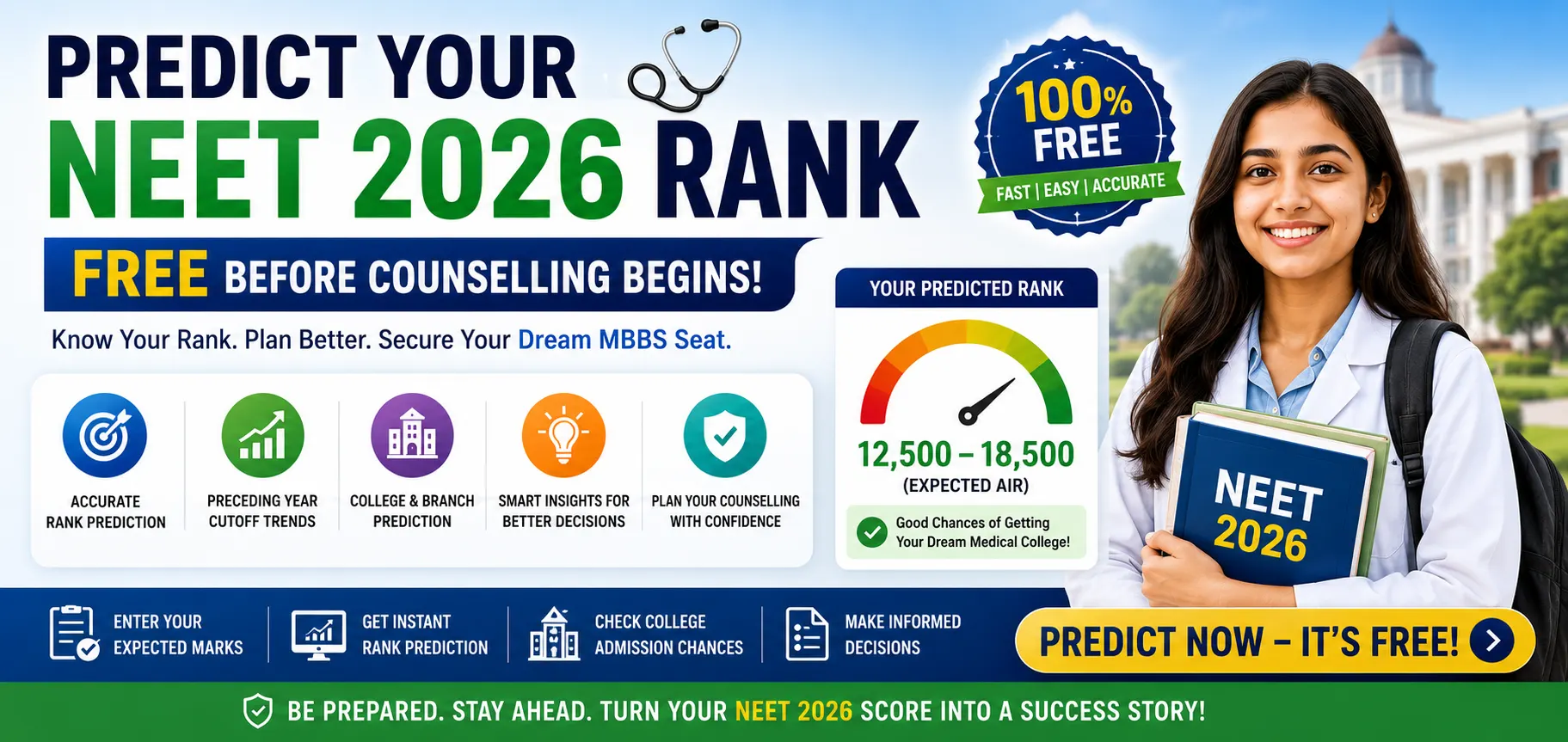
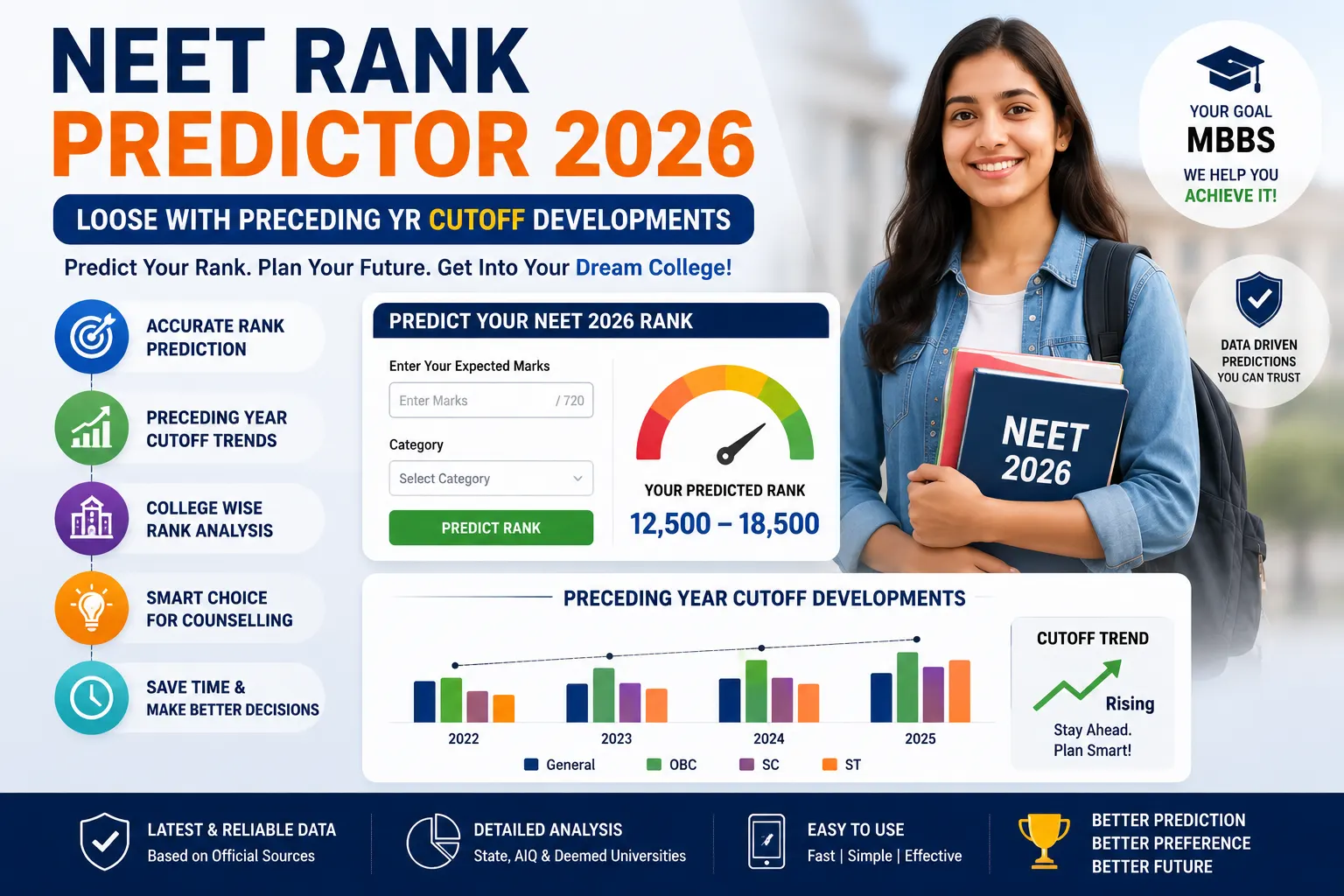
For a realistic understanding of his admission chances, he used tools such as NEET rank predictor to predict expected rank ranges and probable colleges according to mock scores. Applicants can use these to reduce their uncertainty, make better uses of their counselling and continue to be motivated.
His preparation strategy focused on:
Mastering NCERT fundamentals
Consistent revision schedules
Practicing mock tests regularly
Favoring comprehension over rote-learning
The habits that allowed him to compete successfully despite limited resources.
Family Support and Changing Mindsets
It didn’t seem financially feasible for his family to afford any higher education, at first. Gradually, they began to see his dedication and their views changed. Moral support, even without a lot of monetary backing, added up to quite the incentive.
His wife’s encouragement was also helpful. It speaks to the subtle transformations that education can do, when it finds a way to help shape those who are the traditional guardians of mindsets, and protectors of views within families.
Mental Strength During Preparation
Neet preparation is as much psychological as it is academic. Competitive pressure and dread of failure can typically challenge aspirants. Ramlal, who maintained his focus through disciplined reading habits:
Fixed daily study schedules
Balanced rest with revision
Avoiding unhealthy comparisons
Keeping his long-term goal in mind
That kind of consistency often means more to success than pure talent.
Lessons for NEET Aspirants
Ramlal’s journey provides lessons for all medical aspirants:
Circumstances Don’t Define Potential
There is nothing that will prevent determination, even if economic or social hurdles momentarily slow the pace.
Awareness Is Essential
Clarity is produced by appreciating counselling processes, career scope and recognition systems.
Data-Driven Planning Helps NEET answer key 2019 release date: The National Testing Agency will issue the NEET provisional answer keys soon, following which candidates can download and check it.
Consistency Beats Occasional Effort
The more important thing, though, is the regular study habits rather than last-minute studying.
Broader Social Impact
Stories of inspirational journeys such as Ramlal’s have a broader message than individual success. They:
Motivate rural students to study
Challenge outdated social practices
Promote awareness about competitive exams
Inspire communities toward educational growth
These are the kind of stories that ripple out to improve society.
Significance of Awareness in Medical Education
A lot of times students attempt to just clear NEET and do not get into the track of career planning. Knowledge of counselling schemes, accrediting organisations and international health systems is invaluable. Organisations such as NMC, WDOMS, and WHO play their role in promoting transparency, standardization, and rolling of international knowledge in medical education.
Creating Awareness: Improved awareness among students helps them not only secure admissions but also in building sustainable careers that align with healthcare demand.
Conclusion
“Married at 11, Doctor by Dream” stands as an emblem of resilience and hope, of the transformative power of education. The story of Ramlal and his NEET journey is an inspiring example of how an individual’s grit, knowledge, and persistence can overcome even the most entrenched social hurdles.
Aspirants should remember his story as an indicator that the journey may be shaded by circumstances, but they do not define the destination. With due diligence, with realistic expectations and with proper guidance not to mention use of helpful tools and information, prospective doctors can do their best moving forward throughout the country. In the end, these travels result in not just effective physicians, but examples that lead to student awareness and social progress as well as a healthier future for all.